Analysis
Mastering the Half-Space: Football's Most Dangerous Territory
A deep dive into why the half-spaces have become the primary battleground for tactical dominance in modern elite football.
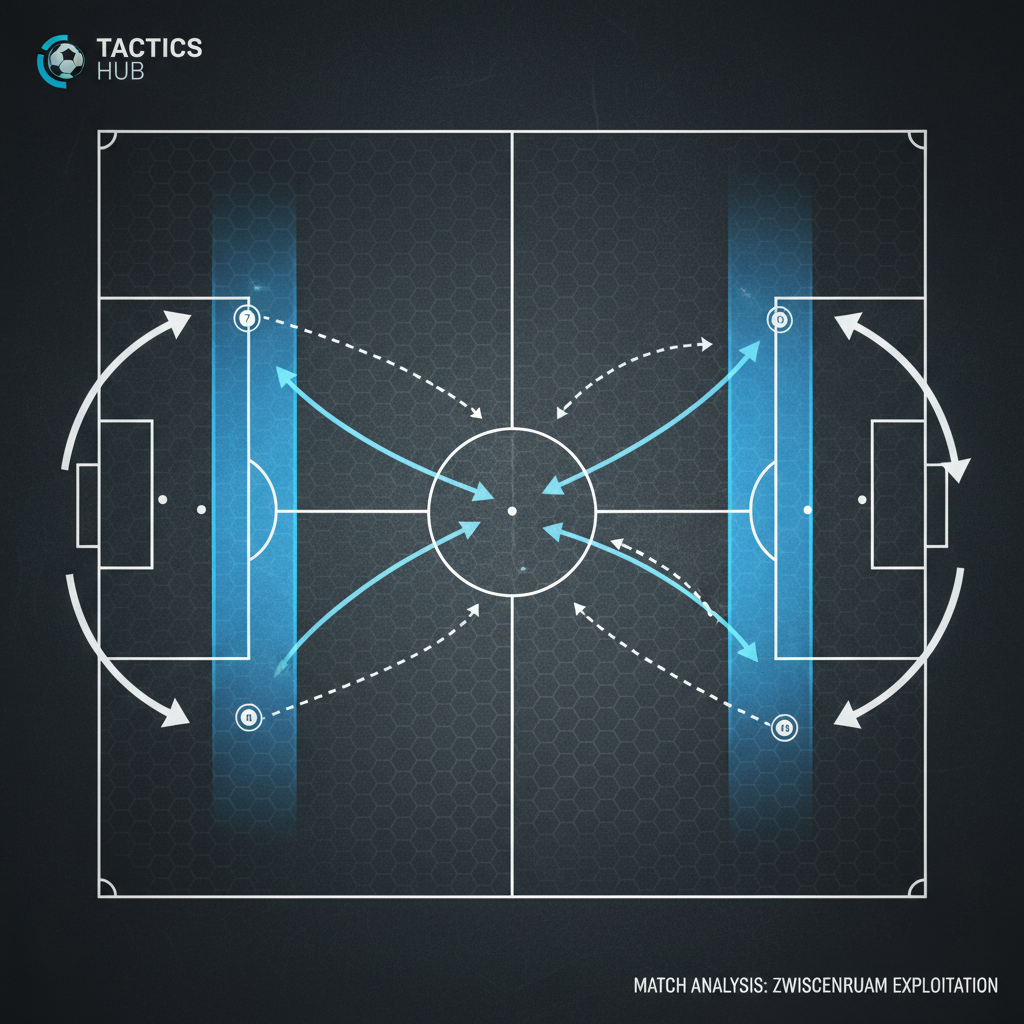
Beyond the Wings and the Center
For decades, attacking football was a simple game of binary choices: either penetrate through the middle or stretch the play via the wings. However, the rise of sophisticated, compact defensive blocks has made these traditional paths increasingly predictable and easy to defend. The modern game has solved this puzzle by weaponizing the 'half-space'—the vertical channel situated between the flank and the center. This zone is a tactical goldmine because it forces defenders into a permanent state of indecision. By occupying these corridors, an attacking side disrupts the opposition's defensive shape, pulling players out of position and creating gaps in areas that were previously thought to be secure. It is the evolution of spatial awareness, moving away from rigid positioning toward a more fluid, dangerous form of territorial control.
Forcing Defensive Conflict through Positioning
The strategic value of the half-space lies in its ability to sow chaos within the opposition's defensive structure. When an inverted winger or a surging central midfielder occupies this pocket, they position themselves in the 'blind spot' of the defensive midfield while simultaneously challenging the full-back's marking responsibilities. This creates a diagonal passing angle, which is significantly more difficult to defend than a standard vertical or horizontal pass. From the half-space, an attacker can play a through-ball into the box, switch the play to the opposite wing, or take a shot with a much better angle than from the touchline. The defense is faced with a paradox: if a center-back steps out to press, space opens up behind for a striker; if the full-back tucks in, the wing is left exposed. This constant pressure on the opponent's decision-making process is the hallmark of the world's most successful tactical systems.
The Technical Requirements of the Half-Space Specialist
Thriving in the half-space requires a specific blend of technical skill and cognitive speed. It is not enough to simply be fast or strong; a player in this zone must possess elite spatial orientation—often referred to as 'pre-scanning.' They need to know exactly where the pressure is coming from before the ball even reaches their feet. The ability to receive the ball on the half-turn and transition immediately into a progressive action is vital. Players like Martin Ødegaard or Kevin De Bruyne are masters of this craft. They do not wait for the game to come to them on the wing; they proactively hunt for these central pockets, forcing the defensive line to react to their movements. This role has transformed the traditional 'number 8' and 'number 10' positions, blending them into a hybrid role that focuses on maximizing space in the most congested part of the pitch.
Conclusion: The New Map of Offensive Success
The half-space is no longer a tactical secret; it is the fundamental requirement for any team looking to dominate possession and create high-quality chances. As defensive systems continue to evolve and become even more compact, the importance of these hybrid zones will only grow. Success in modern football is no longer about having the most ball possession, but about where that possession takes place. By consistently finding players in the half-spaces, a team ensures that every attack carries a genuine threat. For fans and analysts alike, watching how a team occupies these corridors provides the clearest insight into their tactical maturity. It is the triumph of intelligent movement over static structure, and it represents the future of the beautiful game.