News
José Mourinho returns to Real Madrid: why the story matters now
José Mourinho’s official return to Real Madrid opens a new sporting cycle around authority, dressing-room management, recruitment and the first weeks of preseason work.
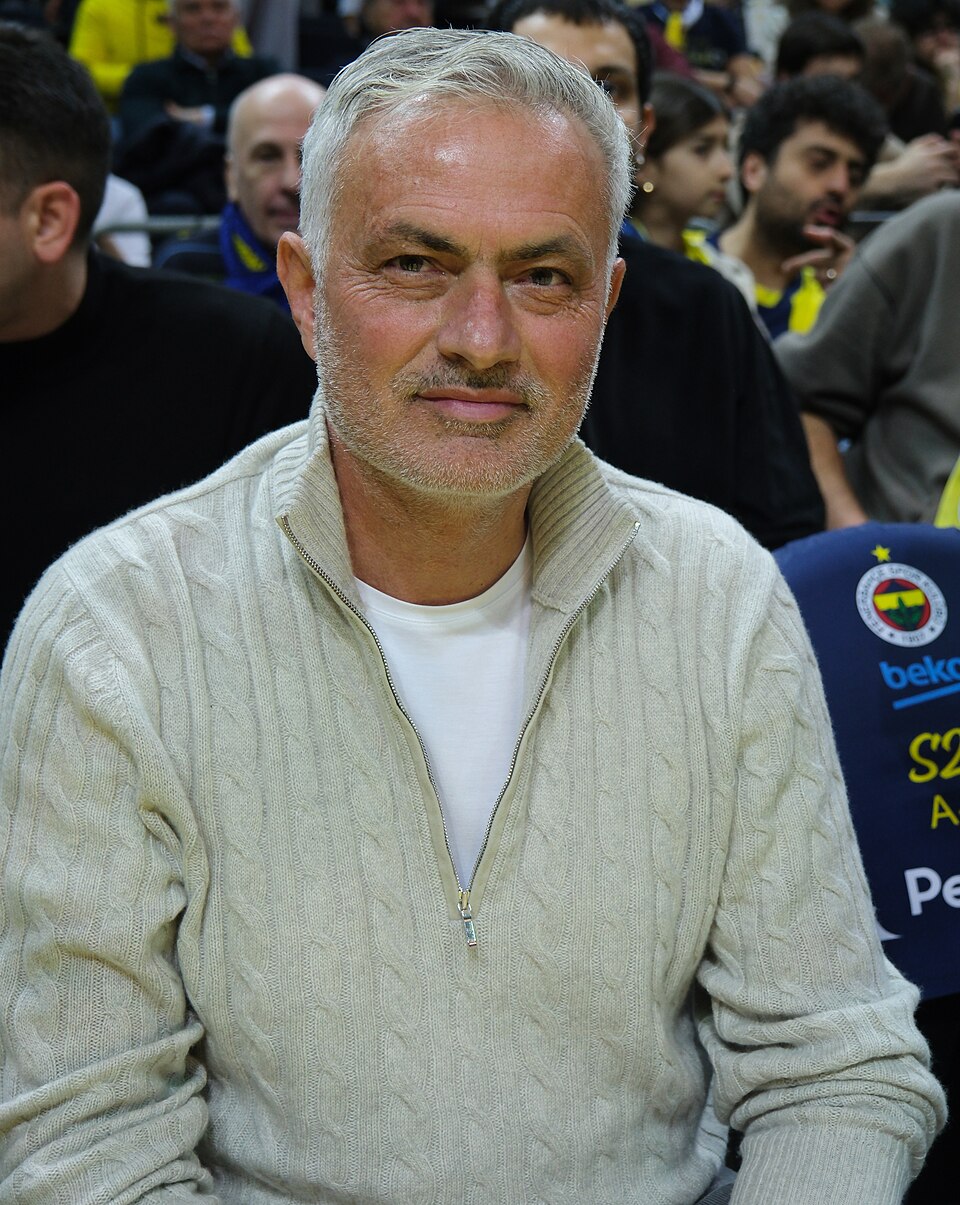
The news Real Madrid’s official announcement on June 11, 2026 has put José Mourinho back at the centre of European football news. The club says its board has approved his appointment as first-team coach for the next three seasons. For Madrid, this is not a routine managerial update. It is the return of a coach who already understands the pressure of the Bernabéu, the media weight around the club and the immediate demand that follows every sporting decision.
Mourinho’s name changes the tone around Real Madrid straight away. He brings back a powerful figure, used to star dressing rooms, tense press conferences and seasons where even a draw can become a national debate. His return therefore creates a clear storyline: Madrid are not only looking for continuity, they are trying to regain control of their competitive identity and the authority of the bench.
Why it matters Mourinho does not arrive as a neutral technician. His first spell left a lasting mark: defensive intensity, vertical attacks, direct confrontation with rivals and the ability to turn every major fixture into a psychological contest. Football has changed since then, but his profile is still attached to one strong idea: make a team harder to beat, sharper in decisive moments and more obsessed with the result.
That is what makes this appointment interesting. Real Madrid traditionally have a powerful dressing room, with senior players capable of shaping the rhythm of a season. Mourinho will need to balance authority with adaptation. He cannot simply recreate his old Madrid: the players, the calendar, physical demands and modern communication are different. The real test will be whether he can impose a method without damaging the collective dynamic.
What it can change inside the dressing room The first expected impact is internal hierarchy. A coach like Mourinho usually clarifies roles quickly: who leads the press, who protects the balance, who becomes the staff’s relay on the pitch, and who accepts a tactical role that may be less spectacular but more important to the structure. That clarity can help a talented squad, but it can also create tension if certain statuses are challenged.
The dressing-room question will therefore be central during preseason. Senior players will need to show public buy-in, younger players will need to understand the defensive requirements, and the staff must install a clear communication line quickly. Mourinho knows how to build a trusted core. The question is which Madrid players become part of that core, and which ones need a longer adaptation period.
Transfers, staff and first decisions Mourinho’s return will also influence the transfer conversation. No name should be treated as certain until the club or reliable sources confirm it, but the coach’s profile already points to the kind of needs worth monitoring: defenders strong in duels, midfielders who can control transitions, forwards disciplined without the ball and substitutes ready to operate inside a demanding framework.
The make-up of the staff will be another important signal. A well-supported Mourinho can modernise his approach without losing his identity. The assistants, analysts and performance staff chosen around him will say a lot about how Madrid intend to work: internal continuity, tactical rupture, or a mix of both. The first training sessions, press conferences and warm-up matches will show whether the team is heading towards a more cautious shape, a more vertical approach or simply a more structured one.
The calendar becomes the first laboratory The next step will be played on the pitch before it is settled in speeches. Real Madrid’s first preseason matches will matter because they will reveal the early details: defensive organisation, the height of the block, the use of full-backs, midfield roles in build-up, opportunities for young players and the reaction after losing possession. Those details will show whether Mourinho’s return creates a real football shift or only a media shock.
For supporters, the emotional dimension is just as important. Mourinho rarely leaves people indifferent. He attracts attention, creates expectations, revives memories and forces everyone to take a position. For Madrid, that energy can become an advantage if results follow quickly. It can also make the season heavier if the opening weeks feel too nostalgic rather than forward-looking.
What SokaIQ readers should watch The SokaIQ angle is the football calendar: Real Madrid’s preseason fixtures, first lineups, match rhythm, squad changes, potential injuries and future match pages when fixtures become available. This is not a betting-market article; it is a football-news piece explaining how one coaching decision can change the context around Madrid’s next games.
The useful signals will be simple: stability of the starting XI, minutes given to senior players, the role of younger squad members, first attacking partnerships, chances conceded and the group’s reaction under pressure. Once Madrid matches are active on SokaIQ, those signs can sit alongside structured data without replacing what actually happens on the pitch.
A story bigger than the dugout Mourinho’s return is not just a coaching appointment. It touches Real Madrid’s sporting identity, the way the club handles pressure moments and the image it wants to project at a time when every decision is instantly compared with previous cycles. The Portuguese coach already understands the weight of the dressing room, the pressure around the Bernabéu and the speed with which a Madrid season can move from optimism to public debate.
That knowledge can shorten his adaptation period, but it does not solve everything. Football has changed, squad profiles have changed and managing a modern group requires more flexibility than it did in the early 2010s. The real question is therefore not only whether Mourinho can impose authority, but how he adjusts his methods to a different squad, a heavier calendar and an even faster media environment. That is where the return becomes interesting: in daily adjustments, not only in the power of the symbol. The first public training sessions and the tone of his early press conferences will therefore matter almost as much as the opening friendly matches.