Premier League
Pierre Sage at Crystal Palace: the French gamble behind a new cycle
Crystal Palace have confirmed Pierre Sage as manager. The appointment opens a major Premier League cycle around method, recruitment and pressure.
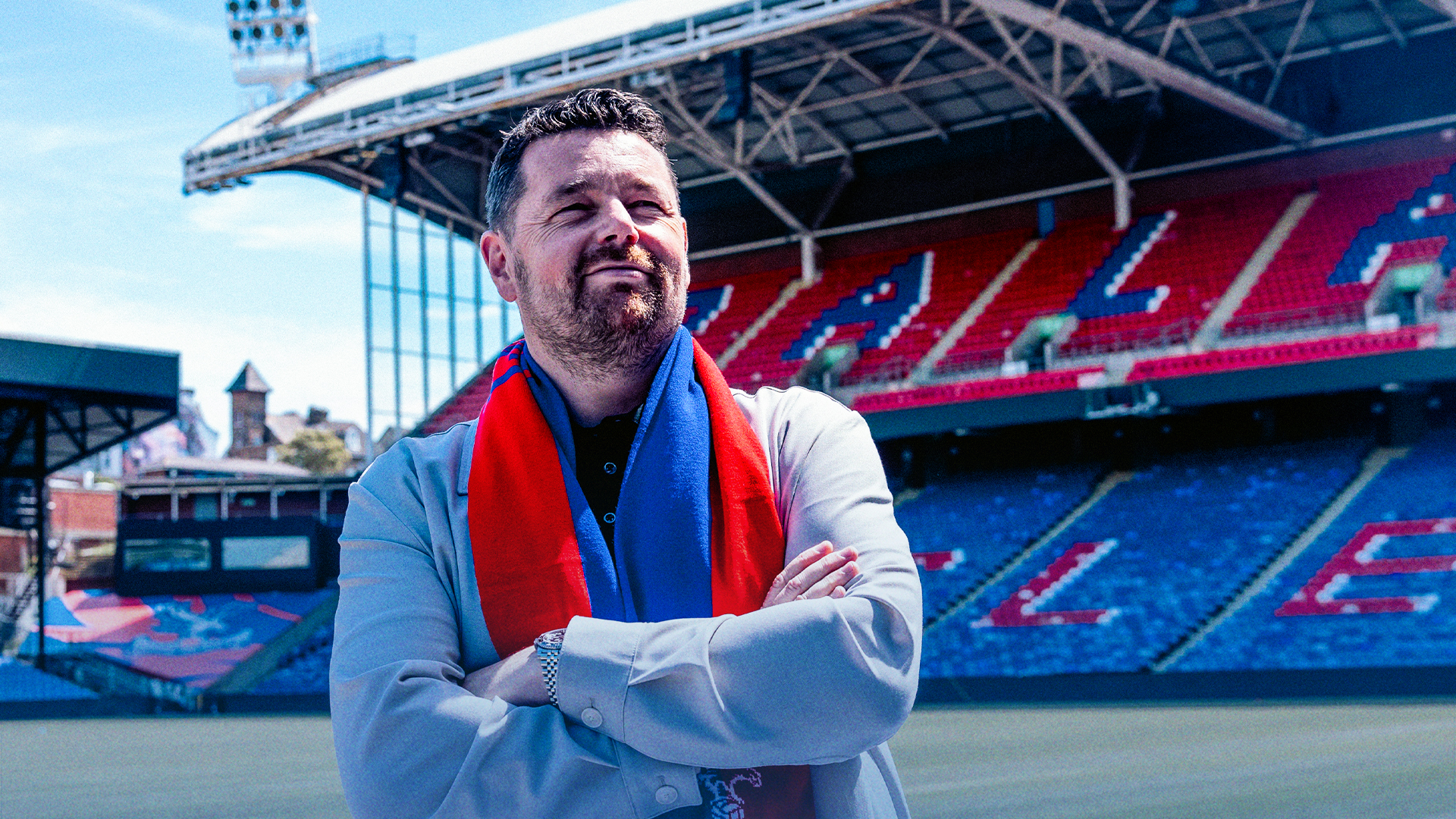
Crystal Palace have confirmed Pierre Sage as their new manager. The London club are opening an important cycle after Oliver Glasner's departure, and the appointment immediately feels like a strategic choice: a French coach with a strong training-ground identity is stepping into a Premier League environment where adaptation time is limited and every managerial decision carries a wider sporting message.
Palace announced the move through the club's official channels, with the BBC and Sky Sports also carrying the appointment. The frame is therefore clear. This is no longer a search process or a transfer-market rumour around the dugout. Sage is now the face of the sporting project at Selhurst Park, responsible for turning an ambitious hire into daily method, visible progress and dressing-room belief.
The appointment deserves more than a quick reaction. It says something about how Premier League clubs now read the coaching market: not only through English experience, but through principles, player development, training detail and the ability to survive constant scrutiny. Palace are taking a calculated gamble, but one that will have to justify itself quickly in a league that rarely offers soft landings.
Palace are choosing controlled change
The first meaning of the appointment is controlled change. A managerial switch can easily create uncertainty, especially at a club where sporting balance depends on collective energy as much as individual quality. Crystal Palace needed to send a clear signal: the transition is real, but it must be managed with structure rather than noise.
Sage therefore arrives with a stabilising job as well as a transformative one. He must quickly understand what already works in the squad, decide what needs to evolve and avoid breaking useful habits just for the sake of a new era. The Premier League rewards clear ideas, but it also punishes revolutions that arrive faster than the dressing room can absorb them.
The club have also chosen a coach who can represent freshness. Sage is not a long-established Premier League name. That is part of the wager. Palace appear to be seeking different energy, a method developed outside the English routine and a fresh eye on the squad. That can lift a group, provided the message lands early in pre-season and does not remain abstract.
Sage brings a profile built on teaching and standards
Pierre Sage has built his reputation around the training pitch, teaching and collective structure. That kind of profile can make sense for Palace, a club that often has to balance ambition with smart use of resources. In a division shaped by deep squads and major financial power, the quality of everyday work becomes a competitive lever.
His challenge will be to make his principles visible without asking the players to relearn everything at once. A manager arriving in the Premier League must quickly choose priorities: defensive organisation, transition control, build-up patterns, wide-channel roles, the relationship between midfielders and attackers, and the ability to remain dangerous under pressure. These details are not theoretical. They become points, confidence and the difference between a stable season and a fragile one.
Teaching does not mean softness. Palace will need standards, a clear hierarchy and a performance framework the squad can understand. Sage has to convince senior players, integrate younger or developing profiles and show that his method is not only attractive in theory. English dressing rooms respect ideas when they improve players and hold up during difficult weeks.
The appointment will shape Palace's recruitment window
The timing of the announcement matters. A manager appointed with enough runway can join recruitment discussions, define priority profiles and help the club avoid building the market around vague ideas. Palace need alignment between the sporting department, the coaching staff and the needs of the pitch before preparation accelerates.
Sage will likely look at the squad through several simple questions. Which players can carry his intensity? Which profiles give security in build-up? Who can attack space? Where does the group lack depth? And, above all, which decisions must be made before friendly matches provide too late a picture of what the team actually needs?
Recruitment will not only be about names. It will be about coherence. A new manager can be weakened if the market brings players who do not fit his football. He can also gain time if the club gives him profiles capable of absorbing his principles. Palace therefore have an important window to turn Sage's arrival into a collective project, not merely a dugout announcement.
Selhurst Park can help, but it will demand clarity
Selhurst Park can be a powerful environment for a manager who quickly gives his team an identity. Crystal Palace supporters respond to energy, clarity and the feeling that the side is playing with a shared idea. For Sage, that connection will matter. A coach coming from outside the daily Premier League spotlight can earn credit if supporters see real progress even before everything is perfect.
The context is still demanding. The Premier League exposes every detail: team selection, in-game changes, post-match communication, management of important players and the ability not to let an early difficult run define a new reign. Sage has to learn the codes of the competition quickly without losing the qualities that made Palace choose him.
Media communication will also count. A manager who arrives with a less familiar profile has to explain his project without promising more than the pitch can deliver. He must protect the group, explain his choices and make the club look aligned. In this league, narrative never replaces results, but it can strengthen or weaken the perception of a project.
Why Palace have opened a story worth tracking
Pierre Sage's arrival at Crystal Palace is one of those moves that may make less noise than a star transfer but can alter the direction of a club. The manager defines habits, standards, dressing-room language and the way a team survives difficult spells. Palace have now chosen the person who will carry that responsibility.
The upside is real. Sage can bring a fresh method, a different reading of the squad and a desire to build identifiable football. The risk is just as clear. Adapting to the Premier League, dealing with the calendar and producing a competitive team quickly will leave little room for hesitation.
What comes next will show whether Crystal Palace have found a coach capable of opening a durable cycle. For now, the club have made a strong move: handing the bench to Pierre Sage, accepting the logic of a project appointment and giving Selhurst Park a new sporting story to judge on the pitch.