World football
Salah gives Egypt a historic first World Cup win
Egypt finally have their first World Cup win, with Mohamed Salah shaping the night as a leader rather than only a finisher.
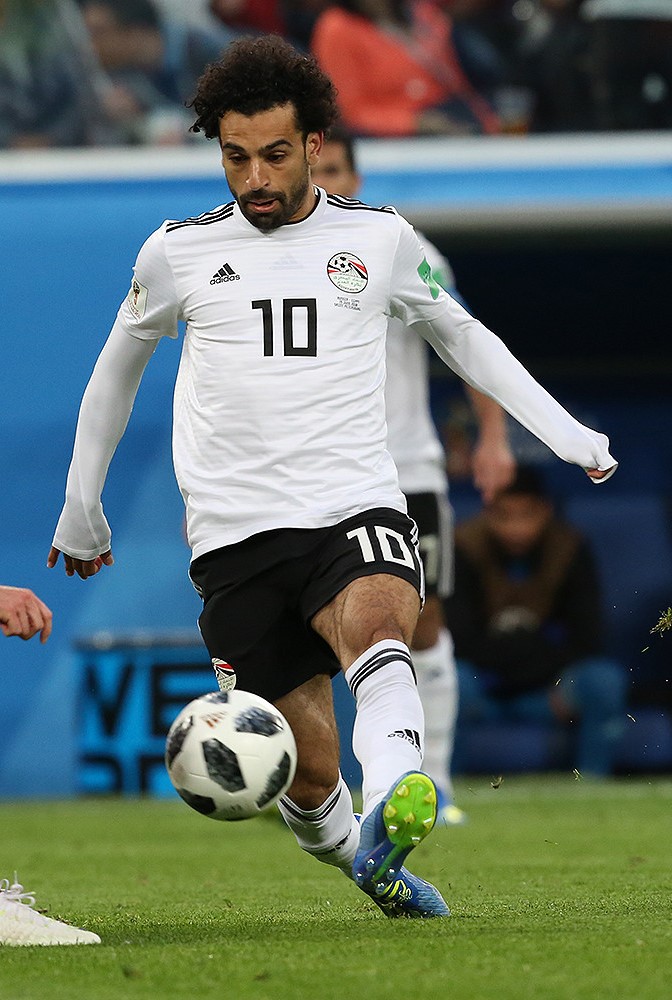
Egypt finally have the moment several generations of supporters had been waiting for. Today, after a night that put Mohamed Salah back at the centre of the national story, the Pharaohs are no longer talking only about frustration, near misses or unfulfilled World Cup promise. The Guardian described a side that came from behind against New Zealand, Sky Sports underlined Salah’s decisive influence, and BBC Sport captured the historical weight of the occasion: Egypt have finally claimed their first win at the global tournament. The fact is powerful on its own, but it does not tell the whole story. This result matters because it turns old pressure into something Egypt can use.
Photo credit: Kirill Venediktov / Wikimedia Commons / CC BY-SA 3.0. Real Mohamed Salah Egypt photo, cropped by SokaIQ for editorial publication.
Salah did not need another reminder of his importance. He has carried the team for years, with the burden of a captain, a national symbol and a player every opposing defence identifies before the match has even settled. What made this victory different was the shape of his influence. Egypt did not simply wait for one isolated flash from their star. They found more verticality, more patience in difficult spells and a better way of attacking space when the match began to tilt. In a tournament where first impressions can harden quickly, that response arrived at exactly the right time.
Egypt have removed a historic weight
For Egypt, this was bigger than a group-stage result. The country has a huge African football identity, a proud national-team culture and a deep emotional connection with its great players. Yet the World Cup had remained a frustrating stage. The tournament often reflected an Egyptian side capable of competing, but unable to turn presence into a foundational victory. That psychological barrier mattered, even when players and coaches tried not to speak about it too directly.
The win over New Zealand changes that language. It gives Egypt proof. It allows the staff to speak about progress with a fresh example, gives players a sequence they can trust, and lets supporters believe in more than another familiar near miss. In a tight group, the table obviously matters. But dressing-room memory is also built through nights when a team learns that it can survive a difficult start and still impose its own rhythm.
The historical layer should not flatten the football analysis. Egypt did not win only because the occasion was emotional. They won because they used their attacking connections better after the interval, because Salah found zones where he could receive facing play, and because the runs around him forced New Zealand to defend more than the captain’s individual action. That combination is why the night carries value beyond the headline.
Salah led rather than simply finished
Mohamed Salah is often reduced to numbers, goals and his ability to strike in major moments. That frame is understandable, but it can become too narrow. Against New Zealand, his influence also came from how he guided Egypt’s tempo. When the team needed calm, he offered a passing option. When it needed speed, he attacked the gaps. When the opposition block narrowed, he drew attention and opened space for others.
That is the sign of a player trying not only to mark his own tournament, but to carry a national team with him. At a World Cup, strong sides do not live only through their stars; they learn how to organise around them without suffocating them. Egypt have often been tempted to put too many decisions on Salah. This time, the captain looked more like a point of balance than a single emergency solution.
The distinction matters. If Egypt are to extend their campaign, they will need Salah in decisive moments, but they will also need a more stable collective circulation. Opponents can prepare plans to close his flank, block his runs or force him to receive with his back to goal. They will find that harder if Egypt’s midfielders hit forward passes earlier, if the full-backs support attacks with better timing, and if the supporting forwards use the space created by the captain’s presence.
The collective reaction matters as much as the symbol
The simplest version of the story would say that Salah changed everything. He was central, but the most encouraging lesson for Egypt may be the collective reaction. After a difficult opening phase, the team could have become tense, gone long too early or forced every ball toward its leader. Instead, Egypt gradually regained emotional control of the match. That maturity matters as much as the decisive action.
The midfield offered better protection against transitions, the lines reconnected, and Egypt found more presence around the final third. This is not yet a perfectly smooth side. There are still turnovers to reduce, spaces to manage when the full-backs advance, and pressing sequences that need more continuity. But the match gives the staff a clear working base. They can now point to visible progress rather than simply correct flaws.
New Zealand also forced Egypt to find different answers. The Pharaohs had to avoid rushing, attack without splitting the team in two, and stay lucid as the game became more open. That management was not a small detail. In international tournaments, many sides lose their structure after an early blow. Egypt found a way back into the contest and then changed its direction without looking as though they were only chasing the moment.
What this could change in the group
A first World Cup win does not guarantee anything. It can even become a trap if it is treated as a destination rather than a beginning. Egypt now have to turn emotion into discipline. The coming days will show whether this performance creates momentum or remains a single bright night. The difference will lie in their ability to repeat the same principles: play forward quickly when Salah drops, protect the ball after losses, keep enough players around possession and avoid retreating too early once the match state improves.
The squad now has a stronger mental argument. The players know they have crossed a line that national history made heavy. For Salah, it is also a personal answer. His club career has already given him global stature, but the national team remains the place where Egyptian emotion gathers most intensely. A night like this does not complete his international story, but it gives him a major chapter in the shirt that matters most to his country.
For readers tracking the tournament calendar, this win makes Egypt’s next fixtures far more important to follow. SokaIQ’s match pages, live results feed and group calendars can place this shift inside the wider qualification race. But the core of the story is already clear: Egypt have finally turned World Cup presence into victory, and Salah gave that breakthrough the shape of complete leadership.
A founding night, not a conclusion
The danger after a historic night is to freeze the picture too quickly. Egypt should enjoy it, but they also have to move. A World Cup does not reward emotion alone; it rewards teams that reproduce intensity under a different kind of pressure. The next opponent will prepare a specific plan for Salah, which is exactly why the Pharaohs must keep widening their game.
The win over New Zealand will stay in the archive because it ends a long wait. It can become more than a line of history if it builds a team that is more secure, less vulnerable to panic and more convinced by its attacking routes. Salah showed the way. Egypt now have to prove that this first global step can become the beginning of a real tournament.