FIFA / World Football
England: Livramento setback turns depth into Tuchel's next test
Tino Livramento's injury and Trevoh Chalobah's arrival in the picture force England to prove how strong their defensive depth really is.
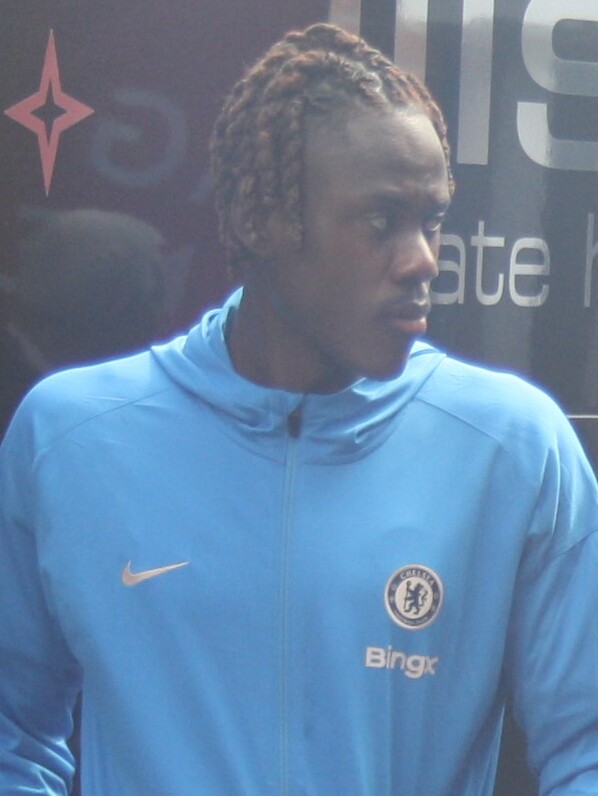
England have received the kind of news that turns a squad detail into a real tournament issue. Tino Livramento is now a doubt for the rest of the World Cup after a fresh injury, while Sky Sports has reported Trevoh Chalobah as the defender brought into the England group. BBC Sport also placed Livramento's situation at the centre of the national-team news cycle, and The Guardian's live coverage confirmed that England's day was shaped by this defensive reshuffle.
The basic fact is simple enough: England lose one wide defensive option and gain a different profile. The sporting impact is broader. At a World Cup, every defensive change touches training balance, covering habits, replacement plans and the manager's confidence when a match changes shape. Thomas Tuchel is not merely replacing a name on a list. He has to protect a structure already being examined through debates about freshness, attacking selection and minute management.
That makes the story badly timed and significant enough for a proper reading. It does not condemn England, who still have more depth than most national teams. But it does underline a basic tournament truth: the World Cup does not only reward sides with star quality. It rewards teams that absorb absences without losing their collective language.
Livramento's absence changes the full-back picture
Livramento is more than a luxury reserve. His profile as a modern full-back gave England energy, speed and width. In a tournament where opponents often close the middle of the pitch, that kind of player can stretch a block, offer a clean exit under pressure and allow the winger ahead of him to receive higher. Even when he does not start, he changes the options available.
An injury in that position also affects in-game management. Full-backs are now hybrid pieces: defenders in their zone, extra midfielders in some phases, and almost wingers when the team pushes. Losing an option capable of repeating high-intensity runs forces the staff to recalculate late-game scenarios. Who comes on if England need to protect control? Who comes on if they need to push higher? Who can cover different zones if the original plan stalls?
That depth of scenario is what makes the news important. England do not only lose a player; they lose one form of flexibility. In a short tournament, flexibility is insurance. It allows the manager to protect a tired starter, correct a difficult duel or change the height of one flank without disturbing the entire block.
Chalobah offers a different answer, not a copy
Trevoh Chalobah does not replace Livramento like-for-like in a tactical sense. His value comes precisely from being different. He brings size, defensive presence, experience as a centre-back and the ability to secure a line when the match demands more control. For Tuchel, that may become useful if England want to strengthen the middle, protect transitions or close one side with greater caution.
That profile can also help in matches where England have to defend for longer spells without the ball. Not every tournament game is played through domination. A major side sometimes has to survive sustained pressure, handle crosses, win duels and stay compact. Chalobah can offer a more sober, less vertical, but potentially more reassuring answer in those phases.
The distinction matters: this is not necessarily a weak solution, but it is not the same solution. England will have to adjust their habits. If Chalobah becomes a real option, midfielders must understand when to cover, wide players must adapt their runs, and the defensive line must communicate quickly. A successful replacement is never just the registration of a new name. It depends on how fast the whole group understands what the new profile allows and what it does not.
Tuchel must protect balance before outside noise
Every England squad development produces an immediate reaction. The national team carries rare media pressure, and any change can become a national debate. Tuchel therefore has to manage two fronts: the pitch and the noise around it. On the pitch, he must keep the hierarchy clear. Around the team, he must prevent the injury from becoming a symbol of instability.
Clarity will matter most. Players have to know who covers which zone, which roles change and which roles stay the same. When an absence arrives during a World Cup, the classic mistake is to overcorrect. Too many details are changed, new doubts appear, and the group loses reference points it already had. England have to resist that temptation.
Tuchel understands the value of structure. His challenge is to integrate Chalobah without making it feel as though the whole defensive plan is being rewritten. If the message stays simple, England's depth can absorb the blow. If the message becomes vague, Livramento's absence will carry more weight than his expected minutes alone.
England's depth is strong, but now it is being tested
England have a reserve of talent that many teams would envy. That is exactly why injuries can sometimes be treated too casually. People assume a major nation automatically replaces one player with another. The reality of a tournament is more demanding. Relationships on the pitch, dressing-room habits and trust in contingency plans cannot be improvised.
Depth only matters when it is organised. A rich bench can become a huge advantage if every player understands the role expected of him. It can also become a source of confusion if profiles overlap or if decisions move too quickly. Chalobah arrives in a context where England need to show that their depth is not just a list of names, but a real architecture.
That architecture also concerns the starters. One absence can make certain players more valuable, but also more exposed. England's wide areas will need intelligent physical management, especially if matches arrive quickly and opponents decide to target the flanks. That is where the medical staff, physical coaches and bench become as important as the first team announced.
A warning that can strengthen England if handled well
Livramento's injury is bad news, but it can become a useful warning if England treat it as a test of method. Major tournaments are rarely linear. An ambitious national team has to move through setbacks, integrate players, alter certain solutions and keep the same level of demand. Success does not come from avoiding problems; it comes from the quality of the response.
Chalobah will therefore have a double task. He has to be ready in football terms, and he has to enter the group without creating disruption. For England, the key is to preserve the main idea: a side capable of controlling, accelerating and defending with enough coherence for absences not to become excuses.
The next stage will show whether this reshuffle remains a footnote or genuinely changes England's tournament path. For now, it reveals something essential: the World Cup tests depth as brutally as talent. England have the talent. They now have to prove that their depth can hold when the tournament starts removing options.