FIFA / World Football
Neymar out for Haiti: Brazil face a real test without their reference point
Neymar is not expected to travel with Brazil for the Haiti match, turning the fixture into a test of attacking depth and collective calm.
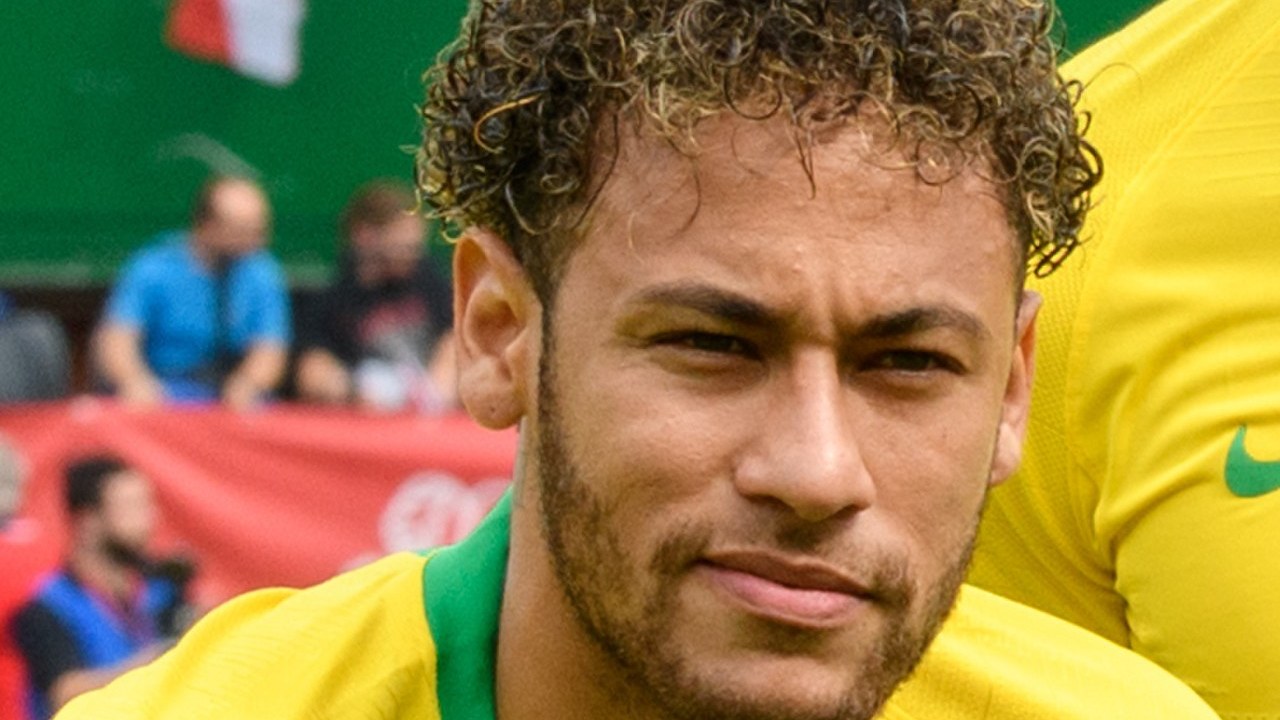
Brazil must prepare for their next World Cup assignment without Neymar, and the news carries more weight than a routine injury update. Sky Sports, The Athletic and Goal all reported on Thursday that the forward is not expected to travel with the squad to Philadelphia for the meeting with Haiti, with the management of a calf problem still shaping his tournament. In a group stage where training time is short and adjustments arrive quickly, the absence of a player of that stature changes both the emotional balance and the attacking plan.
Photo credit: Granada, via Wikimedia Commons, CC BY-SA 4.0 licence. Image source: https://commons.wikimedia.org/wiki/File:Neymar_Junior_Brazil_Austria_June_2018.jpg
The issue is not simply whether Brazil have enough talent to handle an opponent with less global profile. The Seleção still possess a technical reserve that very few national teams can match. The deeper question is different: how does a team that has long organised part of its football imagination around Neymar function without him in a tournament where every match changes the temperature around the camp? Brazil have lived with that question across several competitions, but it returns here in a tighter setting, with a calendar that leaves little room for slow transitions.
An absence that changes the mood around Brazil
The information reported by major international outlets gives the story a clear frame: Neymar is not merely a doubt for a short cameo, he is not expected to travel with the group to Philadelphia. That distinction matters. When a player stays away from the trip, the staff usually sends a stronger signal of caution than a simple bench-management decision. This is no longer about saving him for a few minutes; it is about giving his recovery space away from the immediate noise of the match.
For Brazil, the public impact is obvious. Neymar remains a world figure, even as his sporting role changes and his body imposes limits. His name pulls cameras, shapes press-conference questions and conditions part of the outside reading of the Seleção. Once his absence is reported, the debate moves quickly: who carries the creation, who takes the important set pieces, who accepts responsibility for breaking a match open when it becomes narrow?
That pressure can be heavy, but it can also clarify the group. Great teams sometimes need a constraint to accelerate a transition that was already beginning. If Neymar is unavailable, the other attackers cannot hide behind the expectation of a heroic return. They must take possession of the match, demand the ball, attack space and accept that the attacking hierarchy is decided on the pitch, not in memory.
The calf issue cannot be treated casually
A calf problem is never a small detail for a player whose game depends on changes of rhythm, short supports and repeated accelerations. Even when an injury appears limited, the key risk lies in the reaction to high intensity. A player can run, touch the ball and complete controlled work, then discover that the final percentage of explosiveness is not there. At a World Cup, that final percentage often matters more than the prestige of the name on the team sheet.
Brazil's caution, if reflected in the travel decision, is therefore understandable. A rushed return would expose Neymar to a worse scenario: a setback, a loss of physical confidence and a longer medical storyline around every training session. A national team cannot build its tournament around permanent suspense. At some point, the staff has to protect the player, but also protect the group from uncertainty that drags on.
The decision also reflects how modern international football has evolved. Major nations no longer treat stars only as symbols to be placed on the pitch as soon as possible. The density of matches, the speed of transitions and the athletic quality of opponents make half-returns dangerous. A diminished player can attract attention, but he can also unbalance pressing, slow defensive recovery or force team-mates to compensate for his work.
Haiti becomes a test of attacking independence
Against Haiti, Brazil will be expected to take the dominant role. That is exactly what makes Neymar's absence interesting. Against an opponent who may choose compact blocks and quick transition moments, the Seleção will have to create in a different way. They will need quicker circulation, more off-ball running and a refusal to turn every attack into a search for one providential individual.
This kind of match can reveal plenty about the collective maturity of a favourite. Very talented teams sometimes assume individual quality will eventually unlock every door. Group stages often punish favourites who settle into too comfortable a rhythm. Without Neymar, Brazil will need a disciplined creativity: constant movement, short combinations, better occupation of the box and real aggression when possession is lost.
Haiti, meanwhile, can read the absence as an invitation to keep the match alive mentally. The less one star absorbs attention, the more the higher-ranked team has to prove its system is enough. That does not mean Brazil become vulnerable by default, but it removes part of the theatre around the fixture. The match becomes more about structure, patience and collective seriousness.
Brazil's leaders face a different responsibility
Neymar's absence also redistributes responsibility inside the dressing room. Technical leaders must speak through their football, but character leaders also have to reduce the noise. A World Cup does not forgive teams who allow themselves to be absorbed by the absence of one player, however great he may be. Brazil must give the impression that the plan continues, that the staff knows where it is going and that every replacement understands exactly what is required.
That psychological dimension matters. Opponents quickly sense whether a favourite doubts its organisation. They sense passes played with one hesitation too many, runs started too late and movements that overlap without conviction. To avoid that drift, the Seleção will need to play with almost cold clarity: fixing the wide areas, varying the attacks, maintaining presence in the finishing zone and preventing Haiti from settling into a comfortable waiting game.
The best response to a major absence is not always a replacement who imitates the star. It is often a collective that accepts it must be different. Brazil do not need to search for a false Neymar. They need eleven players to share responsibility better, with more running to compensate for the loss of a central creator and more simplicity in areas where attacks can become confused.
A tournament story, not just a medical update
This situation goes beyond one player's fitness. It touches Brazil's current identity: a national team still associated with individual genius, but forced to prove that its football can survive absences, adjustments and the pressure of a modern World Cup. Neymar remains one of the major names in world football. Yet the tournament moves with or without him, and the Seleção have to show they possess more than the waiting game around his return.
The coming days will show whether this caution allows Neymar to return in better condition or whether Brazil must become used to a competition without his direct influence. For now, the news creates a simple obligation: Haiti becomes a test of depth, calm and independence. If Brazil answer with authority, the absence will be contained. If the match becomes tense, it will sit at the centre of every question.
At a World Cup, great teams are not defined only by which stars are available. They are defined by their ability to absorb setbacks without changing face. That is Brazil's challenge this week: respect the medical caution, protect Neymar, and remind everyone that the Seleção still have enough collective football to move forward.