FIFA / World Football
Tuchel, FIFA and the photographers: why England’s bench became a World Cup issue
FIFA moved photographers after Thomas Tuchel raised concerns around the England bench, a small pre-match detail that says plenty about control at the World Cup.
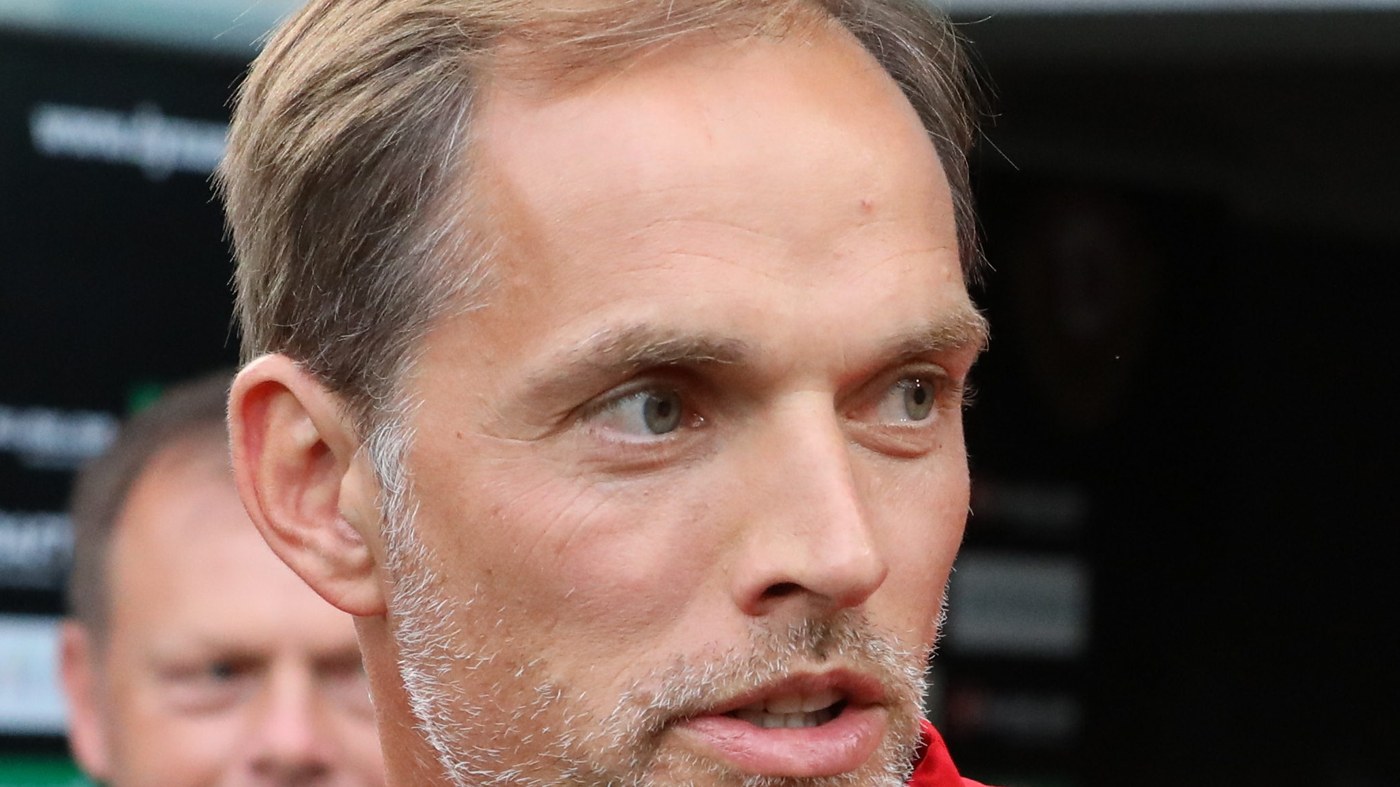
The World Cup is also shaped by details most spectators barely notice: the position of a camera, the distance of a photographer, the calm around a bench during the national anthems. BBC Sport and The Athletic reported on Thursday that Thomas Tuchel's concerns led FIFA to adjust the position of photographers around the England bench before the meeting with Ghana. The episode may look minor beside team selection or tactical debate, but it says a great deal about environmental control in a tournament where every minute of concentration matters.
Photo credit: Sandro Halank, Wikimedia Commons, CC BY-SA 4.0 licence. Real photo of Thomas Tuchel, cropped for SokaIQ editorial publication.
England were not simply asking for extra comfort. They were drawing a line: the pre-match belongs partly to players, staff and the emotional routine before kick-off. In a competition this visible, teams accept constant exposure. They know images are part of the global product. But there is a difference between being observed and being disrupted at the moment when collective attention tightens.
A decision about concentration, not privilege
The easiest reading would be to frame the episode as a coach complaining. That would miss the point. At a World Cup, benches are working spaces. Coaches manage final signals, exchanges with assistants, messages to substitutes and the way the group enters the match mentally. Anthems add a heavy symbolic layer: the players are not yet in the action, but they are no longer in ordinary preparation either.
If photographers crowd that zone, the effect is not only visual irritation. It can change the sense of space, introduce another layer of noise, break a routine and turn a moment of unity into a traffic scene. For a staff obsessed with small edges, that detail is worth defending. Tuchel built his reputation on organisation, reference points and micro-adjustments. It is therefore no surprise that he sees bench management as part of the match.
The fact that FIFA moved the photographers also gives an interesting indication of the balance between spectacle and performance. The governing body needs strong images, especially during the anthems, but it also has to protect the sporting credibility of the event. When a national team feels that the visual protocol spills into the technical area, the answer cannot be purely media-driven. It becomes a competition issue.
Tuchel's England want control before the ball moves
Since taking charge of England, Tuchel has been watched as a coach trying to reduce randomness around a team used to carrying enormous weight. That weight is not only about football. It includes national expectation, media pressure, instant reaction and the memory of tournaments in which every small detail was examined afterwards. In that context, the pre-match is a strategic space.
A dressing room can lose energy before the first duel if preparation becomes too porous. Players see cameras, photographers, officials and image requests. All of it belongs to the scenery, but the staff tries to preserve an internal thread: breathing at the same rhythm, hearing the same final messages and entering the same competitive state. The photographer request belongs to that logic. It does not change the team's technical level, but it protects a functional bubble.
Against Ghana, that kind of calm can matter. England will be expected to control the ball, carry the obligation of command and live with an ongoing debate around attacking choices. The louder the environment becomes, the more the team must know where to spend its energy. Tuchel appears intent on removing distractions that add nothing to the match. That is a very modern managerial task: the coach no longer manages only an eleven, he manages an entire scene.
Photographers, television and the new boundary around the bench
The modern World Cup lives through images. Stadium arrivals, faces during the anthems, substitutes reacting, exchanges between coaches and assistants: any of it can become a viral sequence. Media are not outsiders in this economy; they are one of its engines. But the density of cameras creates a question football still solves case by case: how close can the spectacle move to the sporting core without changing the behaviour of the actors?
Benches have changed status. They are no longer merely a rest area for substitutes. They have become nerve centres where adjustments, pressing plans, tempo changes and emotional management are decided. A photographer positioned very close can obtain a better picture, but can also enter a space the staff sees as functional.
The decision to move photographers should not be read as hostility toward the press. It looks more like an attempt to clarify zones. Football needs its images, but it also needs readable boundaries. The more global the event, the more those boundaries must be anticipated. Otherwise, every national team can reopen the same debate once pressure rises.
A signal other national teams will notice
What happens around England can quickly become a precedent. Other staffs watch this kind of adjustment closely, especially in a tournament where stadium conditions, travel routines and pre-match protocols can vary. If FIFA accepts a positional change to protect one team's area, other delegations may ask for the same consistency. The issue is therefore bigger than Tuchel.
It touches perceived fairness. A national team does not only want its own bench protected; it wants to know the opponent operates inside the same frame. In an international tournament, the organisation must avoid any impression of variable treatment. The edge does not necessarily come from a favour, but from a more stable routine, a less crowded space and concentration that is better preserved. Those elements do not appear on a match sheet, but staffs count them.
For FIFA, the issue is also institutional. The World Cup sells a unique visual intensity, but the organisation cannot allow the media setup to become the main story. If a simple adjustment keeps the images while reducing friction with the benches, the decision is rational. It protects the spectacle by protecting the match.
Why this small detail describes elite international football
The episode reveals a deeper trend: major national teams are trying to control finer and finer margins. Physical preparation, video work, recovery, nutrition and opponent analysis are already professionalised. The media environment is entering the same field. A staff no longer asks only who should play, but also how to prevent the team from losing attention in the most sensitive minutes.
That control does not remove uncertainty. Ghana will bring its own questions of tempo, impact and transitions. England will have to answer with football, not with protocol. But tournaments are rarely shaped by one grand idea alone. They are built through an accumulation of details managed well, then through the ability of players to turn that stability into good decisions.
Tuchel's request and FIFA's response may not decide a match. They do show where elite football now lives: in the permanent fight to keep the game at the centre, even when the whole world wants to frame it, film it and narrate it before it has begun.