Football business / industry
Nike vs Adidas: the World Cup brand battle around shirts, boots and football culture
The Nike-Adidas rivalry at the World Cup shows how kit suppliers turn players, shirts and boots into global cultural signals.
The World Cup is not played only between national teams. It is also fought in shop windows, on boots, across shirts, through video campaigns and inside the attention battle surrounding every major star. BBC Sport focused on the commercial rivalry between Nike and Adidas around the tournament on Friday, with a clear theme: both giants have invested heavily to capture the eye of a global audience already crowded with messages.
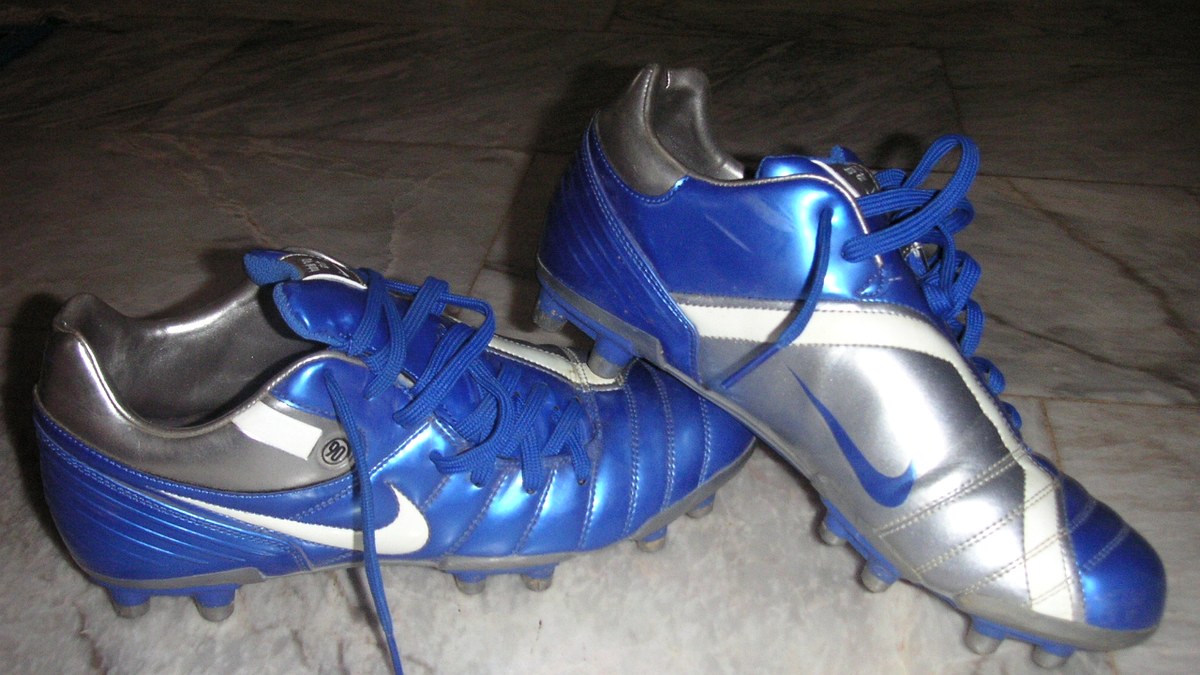
Photo credit: Jpogi / Wikimedia Commons / public domain. Real photo of football boots, cropped by SokaIQ for editorial publication.
This duel is not just about logos. In an expanded World Cup followed across time zones and consumed through television, social platforms and short-form clips, the winning brand is not simply the one attached to the most teams. It is the one that turns football moments into instant visual memories. A celebration, a recognisable pair of boots, a shirt that sells within hours or a campaign that connects with a generation can carry nearly as much weight as traditional advertising.
The sport remains the centre of the story, but the economy around images keeps growing with it. Nike and Adidas know that a World Cup can change the symbolic value of a player, accelerate the popularity of a national team and establish a brand identity for several seasons. The tournament therefore becomes an arena where football, marketing, youth culture and global commerce move together.
The World Cup is the ultimate visibility accelerator
No club event concentrates as many eyes in such a short period. The Champions League reaches a huge audience, but it stretches across a season and is tied to supporter habits that already exist. The World Cup draws in more casual viewers, families, emerging markets and audiences who follow nations before clubs. For kit suppliers, that distinction matters.
A player who shines at the World Cup speaks beyond his club fanbase. He crosses attention borders. His face appears in newspapers, his images travel across social platforms and his story is retold in several languages. When a brand is attached to that moment, it earns exposure that even an expensive campaign cannot always buy on its own.
That is why budgets rise. Kit companies are not only funding sponsorship contracts. They are buying a place in the visual memory of the tournament. The shirt worn in a decisive match, the boot seen during an important action or the campaign released at the right time can become reference points. The return is not measured only in immediate sales; it is also measured in cultural presence.
Nike and Adidas tell football in different languages
The rivalry is old, but it continues because the two brands use different football languages. Adidas carries a deep history with major competitions, official balls and a long relationship with several football institutions. Nike has often built its power through athletes, speed, personality and the ability to turn a player into a cultural symbol.
That contrast gives the tournament extra texture. A modern World Cup is watched as a chain of stories: the nation trying to confirm status, the young talent who breaks through, the veteran who resists decline, the collective that exceeds its ranking. Brands try to enter those stories without looking artificial. They need to be visible, but not too heavy. Present, but not so present that they steal the sporting meaning.
There is a risk. Supporters can push back against commercialisation that feels too aggressive, especially when it interrupts the experience or makes football look like a background set. The strength of a good campaign is therefore balance: respect the game, accompany the emotion and leave the pitch to create the main moment.
Players have become the real advertising boards
The biggest transformation is the place of players. A leading footballer is no longer only a club employee and an international. He is a media platform. His social accounts, training images, boot choices, celebrations and behind-the-scenes appearances create a continuous presence that brands can activate before, during and after matches.
That gives an advantage to companies able to identify early the profiles that can become global faces. It is no longer enough to sign only established stars. Brands need players who speak to a generation, carry a clear story, have a recognisable style or already command an engaged community. The World Cup then becomes a live test at full scale.
But that exposure also adds pressure. A player tied to a major campaign has to manage sporting performance and the commercial expectation around his image. When everything goes well, the brand benefits from a natural story. When the tournament goes badly, the campaign can feel out of tune. Football marketing remains dependent on one element that can never be fully controlled: the match.
Shirts, boots and supporter culture
The most visible product is often the shirt. It is worn by players, bought by supporters and reproduced in street photographs. At a World Cup, a shirt can become a sign of belonging or a fashion object beyond the country it represents. Strong designs travel, especially when they meet a performance or a powerful human story.
Boots work differently. They speak more directly to young players, technical enthusiasts and fans who notice details. A pair worn by a decisive player can gain instant value. Kit suppliers know this: colour, shape and screen readability matter. In a match watched on a phone, the product has to be recognised quickly.
That cultural layer explains why the Nike-Adidas battle is more than a list of contracts. The brands are trying to capture communities. They want to be present in dressing-room conversations, training clips, videos of children copying an action and supporter debates. The pitch creates the spark; culture keeps the fire moving.
The image war still has to serve the game
The World Cup offers an incomparable platform, but it also imposes a clear limit. The public comes first for teams, players and tournament emotion. Brands that forget that hierarchy risk creating fatigue. In an already crowded calendar, supporters accept the commercial dimension as long as it does not replace the football.
Nike and Adidas will therefore keep fighting on several fronts: national-team deals, ambassadors, social content, product innovation, launch campaigns and presence around the biggest moments. The winning brand will not necessarily be the one that shouts the loudest. It will be the one that attaches itself to images supporters actually want to see again.
The World Cup is a ruthless mirror. It amplifies success, exposes errors and can turn a small detail into a global trend. For kit suppliers, the mission is clear: be in the frame when football writes its history, without making it look as if the brand is holding the pen.