World Football
Antoine Semenyo: the Ghana-England journey shaping a World Cup night
Before England meet Ghana, Antoine Semenyo carries a story of rejection, growth and dual identity that gives the fixture extra depth.
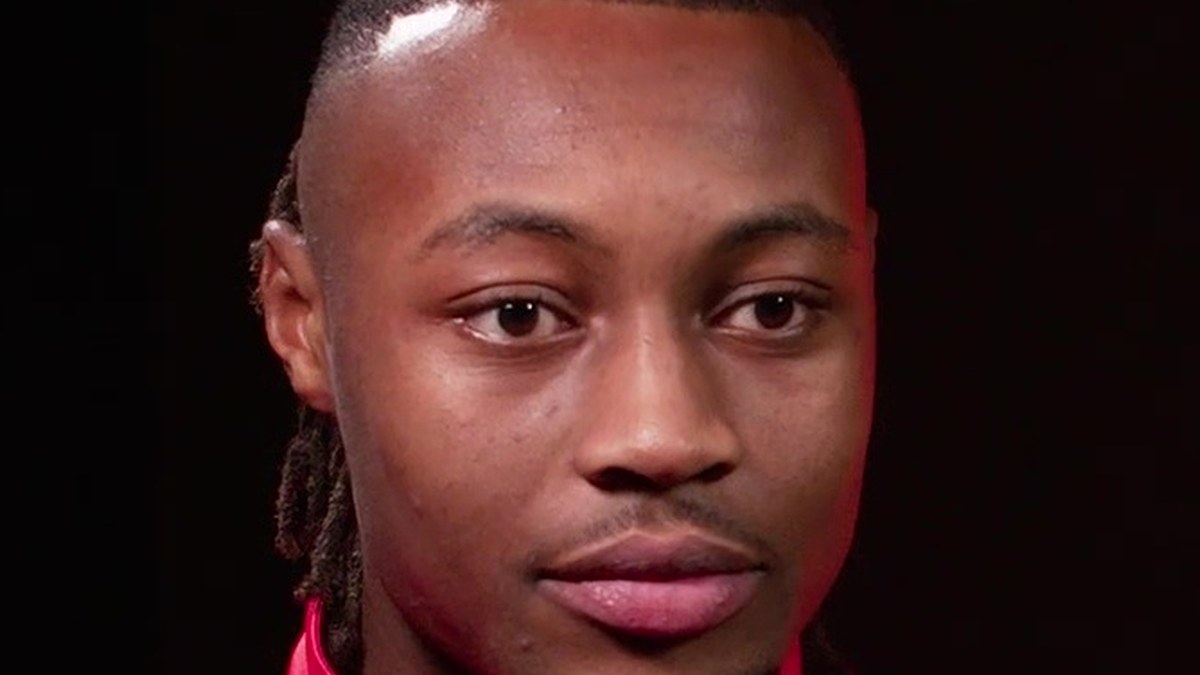
Antoine Semenyo reaches England against Ghana with the kind of story the World Cup is built to amplify: a player who came through rejection, lower-profile football and formative loans, and is now one of the faces the Black Stars want to carry into a global fixture. BBC Sport published a detailed profile on Tuesday tracing his path from failed trials at Arsenal, Tottenham, Millwall and Crystal Palace to his rise towards Manchester City and Ghana. The Guardian placed Semenyo inside the historical line between Ghana’s 2010 side and the team now facing England. Sky Sports had already spoken to Asamoah Gyan about his influence in the tournament.
Photo credit: AFC Bournemouth / Wikimedia Commons / CC BY 3.0. Real Antoine Semenyo photo from AFC Bournemouth media, cropped by SokaIQ for editorial publication.
This is not only a good individual journey. It is also a story that speaks to African football looking for new international reference points. Semenyo was born in London to Ghanaian parents, grew up with family memories of major Black Stars nights and now faces England in the shirt of his parents’ country. In a World Cup where dual culture, English development and international choice often meet, his case carries real weight.
A journey that began far from the spotlight The BBC Sport profile starts with the fragile beginning. Semenyo was not immediately identified as an elite future player. The major London academies did not give him a route through. As a teenager, he knew deep doubt and saw the professional dream drift away. It was at that point that Dave Hockaday, the former Forest Green Rovers manager, spotted him during a trial session and decided to help guide him.
The strength of the story sits in that detail. The turning point did not come through a spectacular promise. It came from a coach convinced that a raw player could become something else in the right environment. Hockaday saw technical qualities, two-footed comfort, developing power and above all a player who needed belief restored. Football loves straight-line career arcs; Semenyo is a reminder that many careers are built through detours.
His time with South Gloucestershire and Stroud College, Bath City and Newport County shaped a harder, more adaptable and more direct player. Those are settings where talent alone is not enough. A young forward has to absorb contact, understand adult tempo, accept uneven minutes and turn every appearance into evidence. For a wide attacker, that education can be decisive: protecting the ball, gaining yards, resisting impact and staying clear in transition.
From Bristol City to Manchester City, the rise was gradual Semenyo did not explode overnight. BBC Sport recalls his early steps at Bristol City, his loans, pauses and frustrations. The change came when he began to assemble the parts of his game: power, depth runs, the ability to play wide or move inside, and a positive aggression in his movement. From there, the Premier League became a real possibility rather than a distant idea.
Bournemouth mattered because the context suited his qualities. In a team built around energy, pressure and quick transitions, Semenyo found a platform to show more than flashes. He scored, created, attacked space and built the sense that he could change the rhythm of a match. His time on the south coast also made his development visible to bigger clubs.
The move to Manchester City, reported within BBC Sport’s account, gives the trajectory an even sharper edge. To go from a career that almost stalled to Pep Guardiola’s environment changes how the player is viewed. He is no longer only the physical forward who climbed the leagues; he is a profile trying to belong in a team where every decision on the ball is examined. That technical demand makes the story more impressive, not less.
Ghana see him as more than one player The Guardian notes that Semenyo grew up with memories of the Ghana side that carried Africa’s hopes at the 2010 World Cup. That past still has power. For many supporters, the Black Stars remain linked to a generation that made a whole continent believe. What followed also brought frustration, with less complete tournaments and an identity that had to be rebuilt.
That is why Semenyo matters. He brings English development, Premier League intensity and a clear emotional choice for Ghana. He is not simply a dual-national player added to a list. He represents a bridge between diasporas, families who follow the Black Stars from abroad and a national team trying to become dangerous again on the world stage.
Asamoah Gyan, speaking to Sky Sports before the tournament, stressed Semenyo’s importance to Ghana’s chances. That view matters because it comes from a former leader whose name remains tied to some of the strongest emotions in Ghanaian football. When a figure from that generation identifies Semenyo as central, he is also passing on part of the symbolic responsibility.
England against Ghana gives the story extra force The match against England is not neutral for Semenyo. He was born and raised in south-east London, came through the English system and now faces players he knows through the league, academies or professional circles. But he wears Ghana’s shirt in a match that can shape his team’s tournament path.
That sporting tension is healthy. It gives the game a human layer beyond a simple contrast of styles. For England, Semenyo is an athletic and technical danger who has to be managed carefully. For Ghana, he is one of the players who can push a defence back, turn a transition into a chance and give the team breathing room during difficult spells.
The World Cup is drawn to this kind of scenario because it contains so much real football: development, identity, diaspora, pressure, collective memory and immediate opportunity. Semenyo is not playing against his country of birth to fit a neat fairy tale. He is playing for the country that called him, that he chose, and whose expectations he now carries in part.
Why his story matters now The timing is what makes the subject fresh. BBC Sport published its profile on the day of England against Ghana, The Guardian tied Semenyo to the Black Stars’ wider inheritance, and Sky Sports underlined the importance Gyan places on him. The sources point in the same direction: Semenyo is no longer just a player to watch, he has become one of the key angles around a major international fixture.
His story deserves more than a career summary. It shows how a player can be missed by several early doors, find a mentor, rebuild in less visible divisions and still reach the top without losing the link to his roots. It also shows how an African national team can draw renewed ambition from diaspora pathways.
If Ghana are to write another meaningful World Cup chapter, Semenyo cannot do it alone. But he does embody part of the promise: speed, power, elite-level experience and a family memory of Ghanaian football that has already shaken the tournament before. That mix is exactly what makes his meeting with England so compelling.