World Football
Jérémy Doku, L’Équipe and fatherhood: why the apology matters
L’Équipe has apologised to Jérémy Doku after comments about his wish to attend the birth of his child during the World Cup.
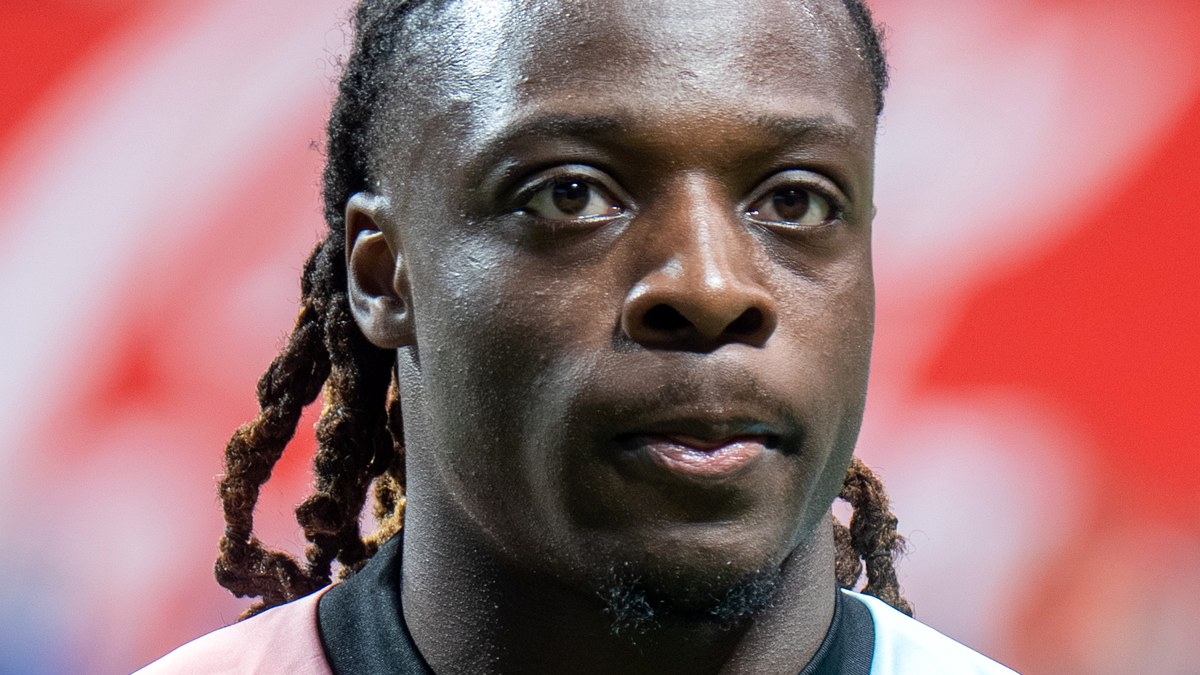
L’Équipe has apologised to Jérémy Doku after controversy over comments made by presenter France Pierron about the Belgium winger’s wish to attend the birth of his first child during the World Cup. The Guardian reports that the French outlet distanced itself from the remarks, said they did not reflect its values and apologised to the footballer and to its audience. The Independent also reported that the broadcaster moved to separate itself from the comments as the episode became a wider debate about how football treats players’ family lives during major tournaments.
Photo credit: Bryan Berlin / Wikimedia Commons / CC BY-SA 4.0. Real Jérémy Doku photo from USMNT v Belgium on March 28 2026, cropped by SokaIQ for editorial publication.
The story is bigger than a single television row. Doku, the Manchester City and Belgium winger, had said he wanted to be able to return to his wife Shireen for the birth of their first child if the World Cup schedule overlapped with that moment. According to The Guardian, the Belgian federation later said he had made it back to London in time and that his wife had given birth to a boy named Praise. In a sport that asks for near-total availability from elite players, the case opened a public argument about the limits of professional demand.
The line that triggered the backlash was not an isolated footnote. It belonged to an old football culture in which some voices still expect players to suspend personal life whenever a major tournament begins. The reaction in support of Doku shows that view no longer passes without challenge. Modern football talks about performance, mental health, invisible preparation and human balance; it cannot also reduce fatherhood to a minor inconvenience.
A media incident became a wider social debate The controversy first moved as a television clip, but it quickly became more than a studio argument. Doku was not the only thing being defended. So was the idea that a player can remain ambitious, committed and elite while still choosing to be present for a major family moment. In an international dressing room, a player’s status is not measured only by physical availability. It is also shaped by the trust a group gives to his balance and personal decisions.
The Guardian reports that Pierron later apologised on social media, explaining that the remarks were her own and did not represent a collective position. L’Équipe then issued its own formal distance from the comments. That sequence matters because it shows the issue was not treated as a passing awkward moment. The outlet understood that the original criticism crossed a sensitive boundary between sports commentary and personal judgement.
Football is not separate from society. Major tournaments magnify everything: supporter pressure, media attention, coaching decisions and players’ private choices. When a sentence suggests that a father is almost irrelevant at the birth of his child, it does not stay inside the studio. It joins a wider discussion about how sport talks about families, parental responsibility and masculinity.
Why Doku’s case speaks to modern football Jérémy Doku is not a background figure in this story. He is an important Belgium player, a high-level club winger and a footballer whose choices are watched because they can also affect sporting preparation. That is exactly why the case carries weight. If even a leading international has to justify wanting to be present for the birth of his child, the question is clearly bigger than one player.
International tournaments place players inside tight bubbles where every journey, message and absence can be interpreted. National teams want to protect focus. Staffs try to avoid distractions. Media outlets want to understand the effect of every detail on the pitch. All of that is legitimate up to a point. But a birth is not an ordinary distraction. It is a life event that football cannot treat only as a logistical variable.
Belgium naturally has to manage schedule, injuries, availability and group balance. That does not mean the player loses his human dimension. A mature professional environment can plan for this kind of situation without putting the player on trial. A return journey, an adjusted session or a short absence can be part of normal modern squad management.
L’Équipe moved to defend its editorial line L’Équipe’s response was also a decision about identity. A sports outlet builds credibility through its ability to criticise performances, tactical choices, executives and coaches. That freedom does not create unlimited space to judge a father’s place beside his family. By apologising, the outlet drew a line between sports debate and excessive personal commentary.
That distinction matters across football media. Debate shows live on strong opinions, disagreement and sharp wording. That is part of their rhythm. But the era in which a studio phrase disappeared after broadcast is gone. Clips travel, are translated, challenged, contextualised and archived. Any outlet that wants to keep authority has to accept clearer editorial responsibility, especially when the subject touches a player’s dignity.
The fact that this happened during a World Cup increases the reach of the episode. During the tournament, every side story can become international. A family matter first discussed in the Belgian context crossed borders because it speaks to every football culture: how far can the demand of the shirt go, and where does personal responsibility begin in a way nobody should ask a player to abandon?
Belgium are under pressure, but not without humanity Sportingly, Belgium already had their own tournament pressure. The Independent notes that Doku belongs to a squad managing results, a final group match and the need to progress. That context explains why every availability question becomes news. It does not justify turning fatherhood into a test of loyalty.
Inside a national team, solidarity is not only about demanding permanent presence from the best players. It is also about accepting that a teammate may be living through a decisive personal moment. That kind of trust can strengthen a dressing room rather than weaken it. A player supported by staff, teammates and country can return with more mental clarity than one forced to choose under public pressure.
Football has often celebrated players who sacrifice everything for a competition. There is still romance in that idea, but it cannot remain the only model. Modern careers are long, exposed and mentally heavy. Players are watched as brands, sporting assets and public characters. Recognising their family lives does not make them less competitive; it simply acknowledges that performance is not built against the human being.
What the episode may change The Doku case will not transform football culture on its own. But it does set a marker. When a major media outlet apologises after comments about a player’s fatherhood, it sends a message to studios, newsrooms and supporters. Sporting criticism remains necessary; intimate judgement requires far more care.
The next stage will be followed in two ways. On the pitch, Belgium have to continue their World Cup and manage Doku according to form, calendar and the coach’s decisions. Away from the pitch, the episode will remain a reminder of how football talks about players at personal moments. Elite sport demands a lot, but it cannot demand everything.
The football importance of the story sits on that boundary. Doku did not ask for an extravagant privilege. He expressed the wish to be present for the birth of his child. The media response, the backlash and the apology show that global football is still learning how to reconcile total competition with real life. That is why the episode deserves to be treated as an important football news story, not only as a television controversy.