FIFA / World Football
Argentina: Messi and the trap of defending a World Cup title
Argentina defend their crown with Lionel Messi still at the centre of the story. History shows how difficult it is for holders to stay on top.
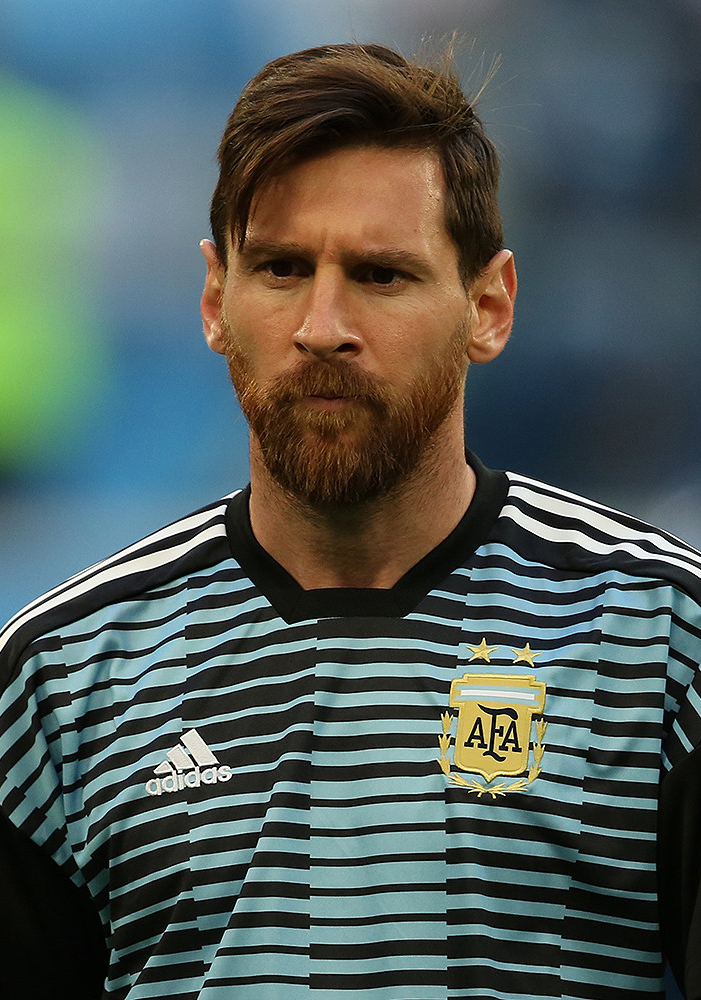
Argentina begin the defence of their world title with a rare kind of tension: Lionel Messi remains the emotional magnet of the tournament, but history keeps reminding everyone that retaining a World Cup is one of the hardest tasks in international football. Sky Sports put that difficulty back in focus on Tuesday by highlighting the burden carried by holders. The Guardian, meanwhile, placed Messi at the heart of the American stage, in what increasingly feels like one last major international spotlight for Argentina's captain.
This is not just a nostalgia story. It is a real sporting question. Can a team that has already reached the summit recreate the same hunger, precision and mental resistance in a tournament where every opponent wants to become the side that brings down the champions? Argentina still have certainty, identity and unique leadership. They also carry a status that changes the way matches are prepared against them.
Messi gives the story a special dimension because he no longer carries Argentina only through individual explosion. He carries collective memory, dressing-room authority and the ability to calm moments when the ball feels heavy. In a World Cup, that type of influence can matter as much as an acceleration. But it cannot, on its own, protect a team from fatigue, tactical traps and the pressure of defending a crown.
The holders never travel anonymously
Argentina's first problem is simple: nobody is discovering them. Opponents know their principles, pressing triggers, preferred passing lanes and the way Messi attracts attention to free a team-mate. The reigning champions lose the element of surprise. They enter every match with a target on their back, and that target changes the behaviour of the other team.
Some sides will try to slow the rhythm, close the central lane, create physical duels around Messi and turn every Argentine transition into a risk zone. Others will accept long spells in a low block, believing that frustration can drag the holders away from their plan. In that context, Argentina must be patient without becoming slow, ambitious without stretching themselves, and emotional without losing control.
That is where championship craft matters. Argentina know how to win different kinds of matches. They can have the ball, suffer, wait, accelerate and then manage a difficult spell. But retaining a trophy requires more than the memory of a title. It demands a rebuilt urgency. The staff have to convince the squad that the past gives them no points, no head start and no automatic right over the next match.
Messi remains a force, but the collective has to breathe
Argentina's paradox starts with Messi's role. His presence simplifies many things: he gives them a reference point, a permanent threat, a superior reading of space and an authority few players in history have possessed. But he can also attract an almost irrational expectation. When a match gets stuck, everyone looks to the captain. A successful title defence cannot depend on one genius, even when that genius is Messi.
Argentina therefore need the right balance between using him and not trapping him inside the obligation to produce miracles. The midfielders must give him clean angles, the full-backs must choose their advances carefully, and the forwards must attack the spaces he opens rather than simply waiting for the final ball. Messi is the gravitational centre, but a great team must rotate around him without losing its own autonomy.
The Guardian's framing of Messi in the United States captures the historical weight of this moment. A host-country audience is watching one of the greatest players ever in the late stage of his international career. That is true, but it should not hide the football. The issue is not only whether fans get one more dance. It is whether Argentina can still turn one player's magic into a durable collective structure.
The title defence will be decided by invisible details
Major tournaments are usually remembered through goals, celebrations and iconic nights. Yet a title defence is also decided by less glamorous details: distances between lines, discipline after losing possession, the first duel, composure after a refereeing decision and the ability not to panic when the match refuses to follow the expected script.
For Argentina, those details are essential because champion status magnifies everything. A bad spell becomes a global debate. A tactical hesitation becomes a signal of vulnerability. A tight match feeds the idea that the cycle is nearing its end. The group must therefore control the environment as much as the opponent. This is not only a question of talent, but of noise around talent.
The Argentine staff will also have to manage bodies. Senior players carry a huge mental load, while the calendar brings travel, short recovery windows and changing conditions. In that context, squad depth matters more than the headline names. Substitutes are not secondary characters: they can maintain intensity, protect key legs and stop the team becoming too predictable.
Opponents want to steal the story
A World Cup title defence creates a particular dynamic: every opponent has a story to win. For an emerging nation, standing up to Argentina can become a foundational moment. For a major side, beating Messi and the reigning champions can serve as a declaration. BBC Sport's look at Jordan's journey towards a meeting with Argentina underlines how such fixtures can become both a dream and a maximum test.
That reality forces Argentina to respect every context. The champions cannot afford to read matches only through historical hierarchy. Smaller nations arrive with energy, pride and sometimes a freedom the favourites do not have. Bigger nations know that beating Argentina would carry enormous symbolic value. Either way, the holders must accept that their opponent is playing for more than one result.
Messi's experience, the memory of previous tournament pressure and the authority of the senior players can help Argentina absorb that intensity. But the team must avoid the trap of cold management. Too much control can reduce creativity. Too much acceleration can open space. The margin sits in a demanding middle ground: keeping authority while preserving the audacity that shaped Argentina's recent identity.
A legacy story as much as a results story
Argentina's tournament will be judged through several filters. There will be the result, of course. There will also be the way Messi moves through this new stage, how the collective supports its captain, and whether the champions can avoid becoming prisoners of their own peak. To defend a title is to refuse to let the best memory become a limit.
Sky Sports is right to underline how harsh history can be on holders. That reminder does not predict Argentina's fall, and it does not diminish their quality. It simply shows the height of the obstacle. Argentina do not only have to beat opponents. They have to beat habit, emotional fatigue, constant analysis and the temptation to believe a story can repeat itself naturally.
That is why this campaign carries such rare dramatic force. If Messi and Argentina advance, the story will move towards something almost mythic. If they struggle, the difficulty will confirm what football history has repeated for decades: staying at the top can demand even more clarity than getting there. For the world champions, the real test starts now, in the fragile zone where prestige has to become performance again.