FIFA / world football
Brazil find a sharper World Cup gear, but Cunha’s night does not end the debate
Matheus Cunha gave Brazil’s attack more fluency against Haiti, yet the Seleção still have to prove their authority over a full match.
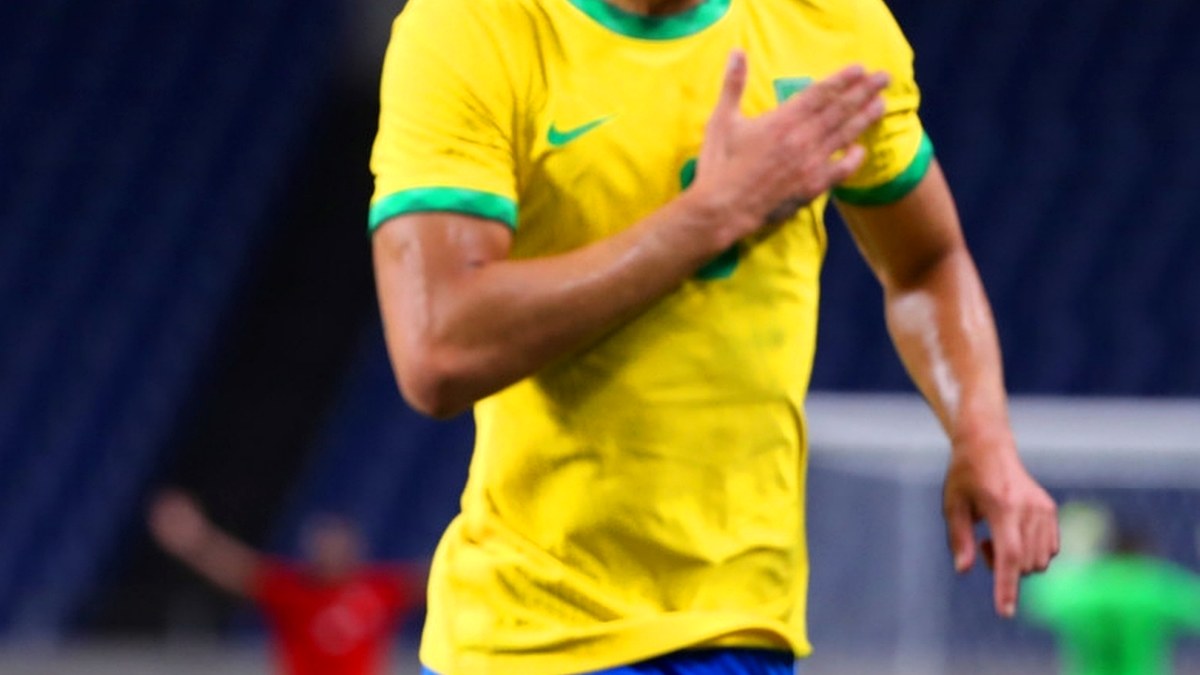
Brazil finally gave their World Cup campaign a clearer shape in Philadelphia, but the performance did not remove every question around the Seleção. The Guardian framed the win over Haiti around a sharp first-half burst led by Matheus Cunha, Vinícius Júnior and Raphinha, while the BBC struck a more cautious note: Brazil had their first victory, yet the fuller version of this team is still waiting to appear.
Photo credit: Rodolfo Vilela / rededoesporte.gov.br / Wikimedia Commons / CC BY 3.0 BR. Real Matheus Cunha photo, cropped by SokaIQ for editorial publication.
That tension is what made the night worth reading beyond the result. Brazil needed more than a routine positive outcome. After a flat opening to the tournament, they needed width, speed, clearer penalty-area presence and forwards capable of turning possession into sustained danger. For one decisive spell, the answer arrived. Cunha gave the central role more movement, Vinícius attacked space with greater authority and Raphinha helped produce the kind of wing play that reminds everyone why Brazil’s ceiling remains high.
Yet elite teams are also judged by what they do once they have control. That is where the performance became less comfortable. Brazil showed superior quality and then left the impression of a side that can let the rhythm fall too early. Haiti, outmatched when the game opened up, kept playing, kept shooting and kept asking whether Brazil can rely on flashes alone in a tournament that will become harsher with every round.
Cunha changes the texture of Brazil’s attack
Matheus Cunha did not simply benefit from Brazil’s dominance. He changed the way it looked. His movement between defenders, his combinations with the wide players and his appetite for attacking the box gave Brazil a more active central reference point. When an attack waits for everything to come from an isolated winger, it can become predictable. Cunha offered inside runs, lay-offs and timing that helped open the pitch.
For Carlo Ancelotti, that matters. Brazil have enough star names to intimidate on paper, but a World Cup is won by functioning relationships as much as reputation. Cunha can be valuable because he does not only play for his own finish. He can draw a defender, release a channel, connect midfield to attack and occupy the zone where Brazil’s moves have to become concrete.
The performance does not settle every attacking hierarchy. It creates a useful question instead: which version of Brazil best maximises Vinícius, Raphinha and the other runners without leaving the centre-forward detached? Against Haiti, Cunha provided one possible answer. The harder task is repeating that against defences that are higher, better coordinated and less willing to leave space around their midfield line.
Vinícius and Raphinha restore the threat from wide areas
Brazil often need their wings to set the emotional and tactical tone. When Vinícius and Raphinha receive the ball in strong positions, the opposing defence has to drop, shift and make difficult choices. Against Haiti, that width produced Brazil’s best football. Runs stretched the block, changes of pace broke reference points and deliveries from wide areas created constant pressure during the team’s strongest phase.
Vinícius remains a particular thermometer for this side. When he receives from a standing start, far from goal, Brazil can look slower. When he receives on the move, with a teammate nearby and a defensive line to attack, the whole match feels more dangerous. That distinction is crucial for the rest of the tournament. It is not enough to give the ball to the most explosive player; Brazil have to create conditions where his first action is already an advantage.
Raphinha’s situation adds concern. The Guardian reported a hamstring injury, and even without speculating about severity, the issue is obvious. Brazil would lose part of their balance if one of their most active wide players were unavailable. The squad has alternatives, but changing one side of the attack during a tournament affects pressing, combinations and the way the team exits pressure.
A victory that does not end the debate
The BBC captured the dilemma with a simple question: has the real Brazil truly shown up? The answer remains mixed. Yes, the Seleção produced a spell of convincing football, quicker and sharper than their first match. Yes, the forwards connected, and the Brazilian crowd finally saw attacks that carried the energy expected from a major tournament nation.
But no, the performance did not wipe the slate clean. After the interval, the tempo dropped, control looked less ambitious and Haiti found situations that would have been more dangerous against a more clinical opponent. A team with deep ambitions cannot be brilliant only in fragments. It has to extend pressure, handle quieter moments without switching off and keep standards high when the direction of a match appears settled.
That is often the line between a great team still warming up and a vulnerable one. Brazil can say they are improving. Their critics can answer that the level of opposition still demands caution. Both readings can be true at the same time. The tournament remains open enough for adjustments, but demanding enough to punish any loss of focus quickly.
Ancelotti’s balance problem is now clearer
For Ancelotti, the next step is not only about selection. It is about the balance between freedom and structure. Brazil need to let their forwards breathe, improvise and provoke. They also need a collective base that can win the ball high, protect transitions and move possession quickly without splitting the team into two disconnected units.
The midfield is central to that. If Brazil’s midfielders find players between the lines early, the wide forwards can attack with momentum. If circulation slows, Vinícius and Raphinha receive against a reset defence, and Cunha has to drop further from the area to help build attacks. The technical quality remains, but the threat becomes easier to contain.
Physical management will matter too. Heat, travel, different surfaces and the rhythm of a World Cup create a context in which the most talented sides do not win by inspiration alone. They have to manage workloads, protect exposed players and avoid injuries that force tactical compromises. The concern around Raphinha makes that point more urgent.
Haiti exit, Brazil move on with partial answers
For Haiti, the night confirmed the difficulty of a demanding group. The team suffered when Brazil accelerated, but it did not stop playing. That resistance matters to the reading of the game, because it prevents the story from becoming a simple Brazilian exhibition. Haiti showed that even a side under pressure can still test concentration and create moments of courage.
For Brazil, the main conclusion sits elsewhere: the campaign is moving, but certainty is incomplete. Cunha strengthened his case in the attacking discussion. Vinícius found spaces where he could affect the game. Raphinha was influential before the physical worry. And still, the whole structure has to prove it can maintain intensity beyond one favourable spell.
The best news for the Seleção may be that their issues are appearing while they are moving forward. It is better to correct with points on the board than to chase the tournament in panic. But the message from Philadelphia is double-edged: Brazil have recovered some of their sharpness, not yet all of their authority.