Football business / media
Gary Lineker’s ITV World Cup appearance turns one broadcast into a media story
Gary Lineker is set to appear as a special guest on ITV’s Germany against Côte d’Ivoire coverage, adding a major media subplot to the World Cup.
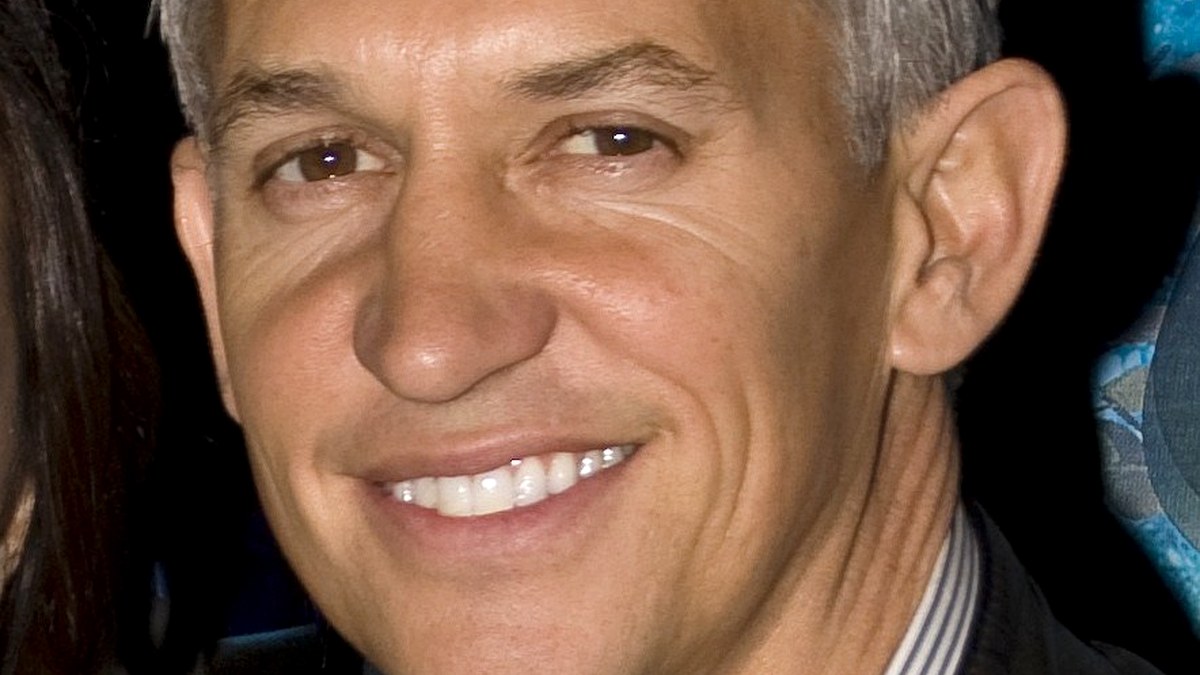
Gary Lineker is set to return to a major British football broadcast during the World Cup, not merely as a nostalgic guest but as a reminder of how strongly football television still depends on recognisable voices. The Guardian reported that the former Match of the Day presenter has been booked as a special guest on ITV’s coverage of Germany against Côte d’Ivoire, describing it as his first appearance on terrestrial television since leaving the BBC last year.
Photo credit: Liton Ali / Wikimedia Commons / CC BY 2.0. Real Gary Lineker photo, cropped by SokaIQ for editorial publication.
The story is bigger than one extra pundit on a studio panel. Lineker remains one of the most recognisable figures in British televised football: a former England striker, a familiar face of major tournaments and a presenter associated for years with a calm, direct and popular way of framing the game. His appearance on ITV during a World Cup shows that broadcasters are still chasing personalities who can give shape to an event, even as rights packages, social clips and streaming habits fragment attention.
For ITV, the move is also a competitive statement. During a World Cup, every fixture is fought on two stages: the pitch and the audience. Supporters can find highlights anywhere, but they still return to studio coverage when it promises judgement, atmosphere and conversation. Lineker brings exactly that: playing authority, tournament memory and a public profile strong enough to turn a broadcast into an appointment.
A television return with symbolic weight
Lineker’s planned appearance matters because it follows a clear break from his long-standing broadcasting home. For years, his public image was almost inseparable from the BBC and Match of the Day. In English football culture, that kind of association becomes more than employment. Viewers do not simply see a presenter; they see part of the ritual of weekends, highlights and major nights.
An ITV appearance during the World Cup therefore breaks a habit. It does not necessarily signal a permanent career shift or a traditional media transfer, but the perception is powerful. The audience sees Lineker in a different set, alongside different voices and inside a different editorial rhythm. For a broadcaster, that change immediately creates curiosity.
Curiosity is valuable in a crowded tournament. A World Cup produces matches, national-team storylines, tactical arguments and organisational controversies at high speed. Broadcasters have to create hierarchy within that noise. Bringing in a figure as identifiable as Lineker gives the evening a simple hook: this is not only a match being shown; it is also the return of a major football voice in an unfamiliar setting.
ITV wants a night that feels like an event
The choice of Germany against Côte d’Ivoire makes sense in television terms. Germany carry historical weight, international interest and the natural expectation attached to a major football nation. Côte d’Ivoire give the fixture a strong African dimension, with a side that draws attention beyond its own domestic audience. For ITV, that is the kind of night that can connect different audiences and open wider discussion than the result alone.
Lineker can act as a bridge. He understands tournament pressure, the scrutiny placed on favourites and the emotional pull around teams capable of unsettling the established order. His role will not simply be to react to a moment or produce a soundbite. He can help set the frame, explain what the match means for both sides and give the coverage an authority that viewers recognise immediately.
In a landscape filled with pundits, the hierarchy of voices still matters. Not every former player carries the same weight, and not every presenter creates the same trust. Lineker combines two registers: the credibility of an international forward and the experience of a seasoned broadcaster. That is exactly the profile channels look for when they want a fixture to feel bigger than routine programming.
The broadcaster battle is part of the tournament
A World Cup is also a battle of storytelling. Broadcast rights provide access to the matches, but a channel’s identity is built around how it accompanies them. Studio teams, pundit choices, interviews, tactical angles and the overall tone all shape how viewers remember a night.
Lineker’s presence is a reminder that traditional television still has powerful tools. Social platforms can clip moments, accelerate reactions and manufacture controversies. A major broadcast can still gather people, slow the story down and give structure to the chaos of a tournament. When a name as established as Lineker joins a panel, the message is clear: the channel wants its coverage to be seen as an editorial occasion, not just a feed.
That logic is even more visible in modern World Cups. Supporters no longer consume every match in the same way. Some watch live, some follow highlights, and others move between notifications, timelines and group chats. The studio becomes a place of orientation. It helps viewers understand what matters, what is noise and what might become a lasting tournament moment.
Lineker brings tournament memory
Lineker’s strength also comes from his personal relationship with major competitions. He does not speak about the World Cup as a television product alone. His playing career, his experience as an international goalscorer and his long run as a presenter give him a specific memory of tournaments: group-stage pressure, the burden on favourites, the danger of underdogs and the speed with which one night can alter a country’s mood.
That memory is useful for Germany against Côte d’Ivoire. Germany will be viewed through the expectations attached to one of football’s great national teams. Côte d’Ivoire will be watched with the interest that follows sides capable of bringing intensity, talent and continental pride. The coverage will need to avoid two traps: reducing the fixture to a theoretical hierarchy, or overselling the outsider angle in a way that flattens the teams involved. Good coverage respects both stories and explains the stakes without caricature.
Lineker can help strike that balance. His fame draws attention, but his value lies in staying with the football. On nights like this, the best studio presence is not the person who dominates every minute. It is the person who helps viewers read the match more clearly, understand turning points and place the event inside the wider tournament narrative.
What it says about football television
The announcement also shows how major tournaments still accelerate status in sports media. Broadcasters do not simply buy rights and switch on the cameras. They build teams, signatures and recognisable moments around those rights. Football has become a global product, but television coverage still depends on the trust created by a handful of faces.
For ITV, securing Lineker for a World Cup evening adds texture to its coverage. For Lineker, appearing in this setting keeps him close to the centre of the football conversation without being tied to one historic backdrop. For viewers, it is an editorial curiosity that could give the fixture a distinct tone.
The real test will come on air. If the appearance feels natural, precise and focused on the match, it will reinforce the idea that a major voice can change the atmosphere of a broadcast. If it becomes only an event around a name, the effect will be shorter. But the interest is already clear: during this World Cup, competition is not only between national teams. It is also between the stories built around every game.