FIFA / world football
FIFA changes the group-table equation: why head-to-head now matters more
FIFA’s World Cup tiebreaker order now puts head-to-head records before overall goal difference for teams level on points.
The World Cup is changing in one of its coldest details: a group table will not be read exactly as before. BBC Sport reported on Friday that FIFA is now using head-to-head records as the first tiebreaker between teams level on points, ahead of overall goal difference. In an expanded tournament, that detail can alter how teams manage a third group match, protect a lead or accept a draw.
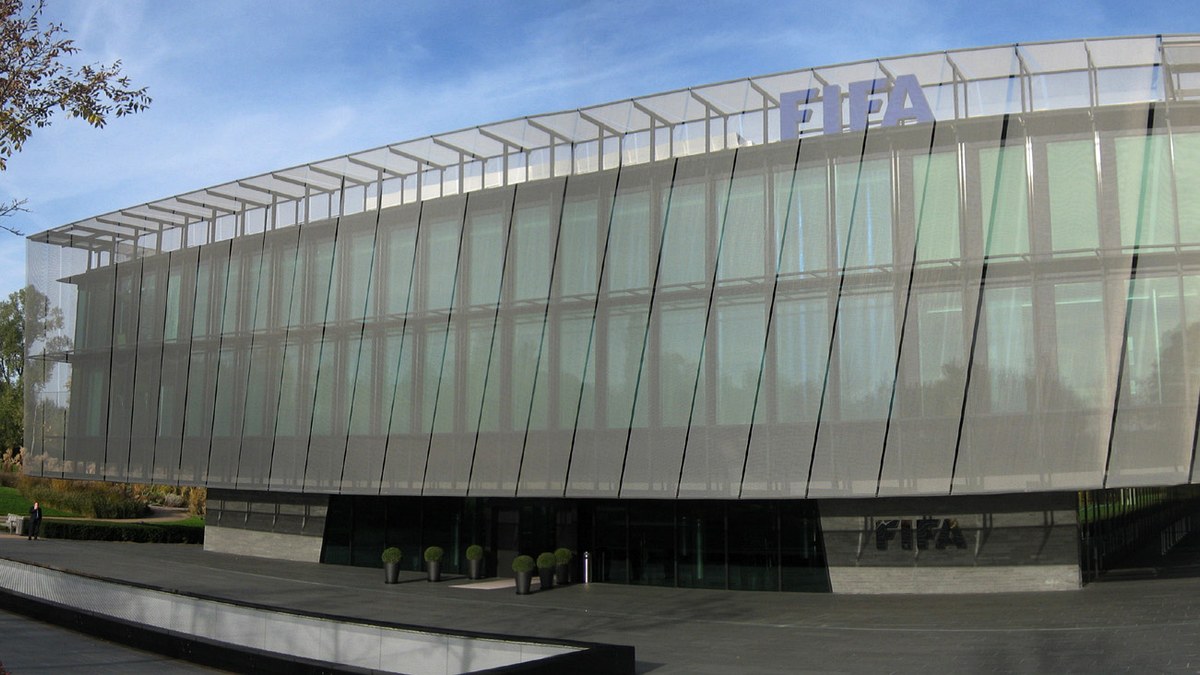
Photo credit: MCaviglia / digimen.ch / Wikimedia Commons / CC BY-SA 3.0. Real FIFA headquarters photo in Zurich, cropped by SokaIQ for editorial publication.
The change may look administrative, but it goes to the heart of tournament football. Goal difference often rewarded the team able to stretch the margin against the weakest opponent in the group. Head-to-head priority puts the first weight on the match between the teams concerned. It values the direct result against an immediate rival before the wider scoring volume.
For coaches, that means thinking of the group as a sequence of mini-finals. A direct win over a competitor can become more valuable than a heavy victory elsewhere. A bad result in the targeted duel can also linger, even if the team responds well later. In a crowded World Cup, that shifts the risk calculation.
The direct duel takes back control
The principle is straightforward: when two or more teams finish level on points, their shared record in the group becomes the first filter. The match between them is no longer just one part of the campaign. It becomes the opening test for who stands ahead.
That gives greater weight to fixtures between qualification contenders. A favourite that loses to its direct rival may not always erase that mistake by improving goal difference in another game. A more controlled side that wins the right match can be better protected in the table.
The change may also make some scenarios clearer for coaching staffs. In a tight group, the aim is not only to pile up goals. The first objective is to avoid being disadvantaged against the team likely to finish on the same points. The direct duel becomes sporting capital.
Why goal difference still matters
Goal difference has not disappeared. It remains important when head-to-head records cannot separate the teams. But its role changes. It no longer opens the door. It comes after the first sorting process built around the group’s direct meetings.
That may reduce some distorted incentives. Under the old instinct, a stronger team could keep chasing more goals against a struggling opponent because every extra goal might matter later. The new priority slightly reduces that obsession with a wide margin, even if attacking efficiency still counts.
For supporters, the detail will require attention. A team with a better overall goal difference can sit behind another side if it lost the direct meeting. Tables will therefore need more context, especially after the second round of matches, when qualification scenarios start multiplying.
It also changes the way broadcasters and analysts explain momentum. A late goal in a different group match may still matter, but it cannot be described in isolation from the direct record. The useful table is no longer only a list of totals. It is a story of who has already beaten whom, and which teams still control their own path against the sides around them.
The tactical impact on closing stages
The real effect may appear in the final minutes of matches. If the direct duel is the first tiebreaker, protecting a result against an immediate competitor can carry enormous value. A coach may accept a more conservative finish if the score gives the team an advantage in that mini-table.
On the other side, a team trailing in that kind of match may have to take more risks than before. Equalising or turning the game around would not only affect the points total. It could also stop the opponent from owning a decisive edge if both sides finish level.
Substitutions, bookings, time management and even the choice to press or sit deeper can all be influenced by the rule. A regulatory detail becomes bench information. Analysts and coaches will need to calculate live, not merely follow the visible score.
What it changes for the favourites
Major nations are often judged on whether they dominate a group. With this criterion, they must first avoid the damaging result against their main rival. A heavy win against a weaker team will not always compensate for a poorly placed defeat in the match that matters most.
That could make tournament starts more tense. A favourite that meets a direct competitor early has less psychological margin. The first major group fixture can create a structural lead, or force a team to chase the table for several days.
For outsiders, the opportunity is real. Beating or containing the right opponent can be worth more than a set of impressive but poorly distributed performances. The criterion rewards strategic precision: target the key match, prepare it like a short final and avoid mistakes that carry into the mini-table.
A rule to track throughout the World Cup
Supporters will hear plenty about third-matchday calculations. This time, those calculations may be more subtle. Points come first, then direct meetings, then the remaining criteria. Provisional tables may shift in the media reading even before the last match is finished.
The change does not make the World Cup less simple. It makes it more strategic. It is a reminder that a tournament is not just an accumulation of results, but a system in which match order, opponent profile and the value of one duel can reshape the route to the knockout rounds.
That is why the rule will matter before the final whistle of the group stage. Teams will enter matches already knowing whether a direct result protects them, exposes them or forces a different level of aggression.
For SokaIQ, the editorial consequence is clear: every group has to be read with this rule in mind. A draw, a narrow win or a defeat against a direct rival no longer speaks only about current form. It can become the detail that decides an entire national team’s path.