World football
Franck Kessié and Ivory Coast pushed Germany to the limit
Germany reached the knockouts with a late win, but Ivory Coast still produced a major World Cup performance through Franck Kessié, Yan Diomande and midfield power.
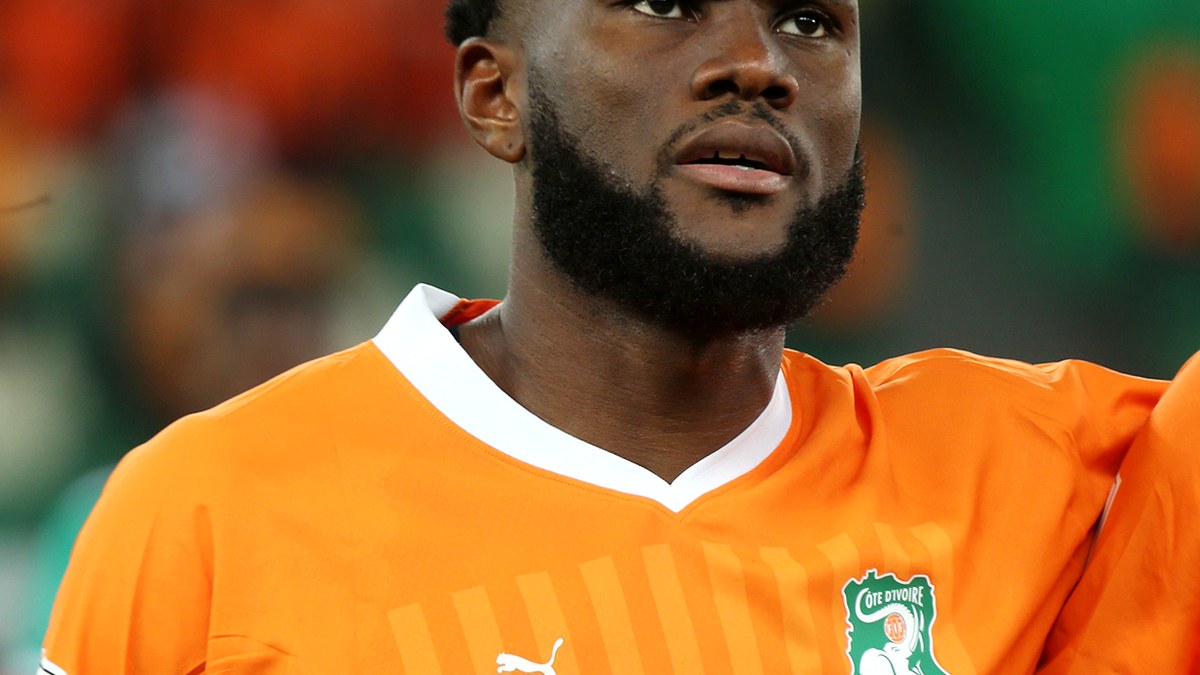
Ivory Coast delivered one of the clearest statements of their World Cup so far even though Germany eventually took the result. Against a German side chasing the knockout stage, the Elephants produced a performance that immediately changes how their tournament is viewed. Sky Sports later confirmed the final picture: Germany reached the knockouts with a late win, Deniz Undav scored twice from the bench, Franck Kessié had opened the scoring for Ivory Coast, and Yan Diomande helped create that goal with his burst of pace and low cross. The Guardian live coverage also described an Ivory Coast side able to unsettle Germany with power, speed and authority in midfield.
Photo credit: Angedidier29 / Wikimedia Commons / CC0 1.0. Real Franck Kessié photo, cropped by SokaIQ for editorial publication.
The importance of the match goes beyond the result itself. It showed an Ivorian team that did not merely survive against a European heavyweight. Ivory Coast forced Germany to chase the rhythm, change the plan and search for answers under pressure. That matters in this World Cup because it reinforces a broader lesson: reputation is not enough. Teams that win duels, attack space quickly and keep their structure after striking first can move the hierarchy in a single night.
For Kessié, the symbolism is strong. His goal did not arrive as an isolated flash. It extended a physical and emotional grip in the very area where Germany would normally expect to control the match. For Diomande, the move confirmed his growing influence too: his acceleration and delivery gave Ivory Coast a transition weapon opponents will now have to treat seriously.
Kessié set the tone for an Ivorian midfield with authority
Franck Kessié has long been associated with a complete midfield profile: duel power, forward running, calm under pressure and timing in the box. Against Germany, those qualities became collective assets. He did not only score. He gave Ivory Coast a way to exist against a side used to holding the centre of attention.
The Guardian repeatedly pointed to Germany’s difficulty handling the physical force of the Ivorian midfield. That detail matters. A team can sit deep and escape with a result without truly controlling the important zones. Here, Ivory Coast appeared capable of imposing active spells of dominance. Kessié was the balance point: strong enough to secure second balls, aggressive enough to support attacks, and calm enough to know when the game needed to accelerate.
That kind of performance carries weight in tournament football. World Cup matches are not won only by the most visible forwards. They are often shaped by the players who stabilise chaos. When Germany tried to raise the tempo, Ivory Coast had a midfielder able to put body into duels, slow the urgency and keep the team attached to its plan.
Diomande turned speed into a real threat
The decisive move also carried Yan Diomande’s signature. Sky Sports described a devastating cross before Kessié’s finish, and that detail is essential to understanding what Ivory Coast offered. This was not simply about waiting for a German mistake. It was about attacking a zone with enough pace and conviction to force the opponent to defend while moving backwards.
Diomande gives this team a vertical edge. His profile makes transitions more dangerous because he can carry the ball forward without the whole structure needing to open up. In a match where Germany tried to get control back, every Ivorian breakout therefore carried threat. Even when it did not end with a clean shot, it forced German defenders to respect the space behind them and think twice before stepping too high.
That hesitation changes a match. It prevents a favourite from settling. It stretches distances between lines. It gives a defending team oxygen. It turns a clearance into a possible shift in momentum. Diomande does not need to be the only hero of the evening to be one of its most important signals: he showed that Ivory Coast have useful speed, not just spectacular speed.
Germany spent too long reacting
Germany’s review will be uncomfortable. The Guardian described a side struggling with Ivorian waves, while Sky Sports noted the disallowed Pavlovic moment. Those details tell the story of a team that came close to finding a way back, but too often had to react rather than impose. That is what makes the night concerning for Julian Nagelsmann: Germany had moments, yet rarely looked in control of the emotional centre of the match.
The second-half changes underlined that search for solutions. When a favourite makes several adjustments, it can be a sign of squad depth. It can also reveal that the original plan has failed to answer the game in front of it. Against Ivory Coast, Germany looked for more presence, more speed and more disruption. Urgency, though, did not erase the structural problems that had appeared earlier.
This kind of match leaves marks, even in the group stage. It forces Germany’s staff to look again at midfield protection, the handling of opposition transitions and the team’s response when it is hurt first. In a World Cup where late phases are already unstable, chasing the game for too long is a risk even major teams can pay for.
A defeat that can still change how Ivory Coast are treated
For Ivory Coast, the task now is to turn a statement into a path. One major performance only has lasting value if it becomes a platform. But the immediate psychological effect is real. The Elephants showed they can handle an elite-level power contest, that they have experienced leaders, and that they possess enough running power to wound a prestigious opponent.
The performance will also alter how future opponents prepare for them. Ivory Coast can no longer be framed only as a side dangerous in short bursts. Their midfield has to be respected, their transitions have to be controlled, Diomande has to be engaged earlier, and Kessié cannot be allowed to arrive freely into decisive areas. That is exactly what ambitious teams want in a tournament: to force others to adapt to them.
The group remains tense and more interesting. Ivory Coast have not secured a permanent reputation in one evening, but they have earned the right to be taken seriously. For an African side on the global stage, the performance also carries a continental edge. It is a reminder that the gap between historic favourites and powerful, organised national teams is not as comfortable as it once looked.
Why this night may matter later in the World Cup
Major tournaments are often shaped by matches that change the mood. This feels like one of them. Germany reached the knockouts, but they still need a quick repair job because a favourite showing vulnerability in transition immediately attracts pressure. Ivory Coast must avoid the opposite trap: assuming the performance is already enough. The next match will demand the same intensity, the same discipline and an even colder emotional management.
The football lesson is straightforward. A team that combines midfield power, wide speed and composure in key moments can beat a more established structure. Kessié gave Ivory Coast their mature face; Diomande gave them acceleration; Fofana and the defensive block supplied the resistance when Germany pushed.
That is why this night is more than a late defeat. It also looks like a competitive declaration. In a World Cup where margins are narrowing, Ivory Coast have reminded everyone that group-stage nights can already contain major turning points. If the Elephants can repeat this level of intensity, their tournament will not merely be followed as a good story. It will be watched as a genuine sporting threat.