International transfers
Olise, Real Madrid and Bayern: what Madrid’s denial really says
Real Madrid denied any contact with Michael Olise. The rare statement says plenty about the winger’s status, Bayern’s leverage and Madrid’s market image.
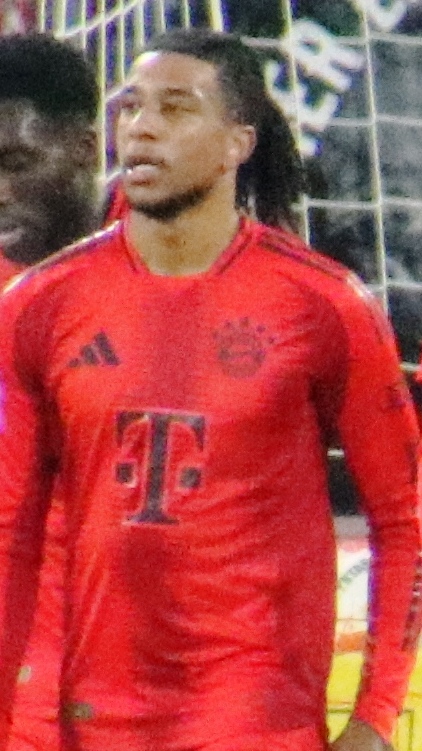
The transfer market loves silence. This time, the silence did not last. Real Madrid issued a rare public denial of any contact with Michael Olise, the Bayern Munich and France winger, after several days of speculation around a possible major move. BBC Sport and ESPN both reported the substance of the Madrid statement: the Spanish club say they have had no direct or indirect contact with the player, his representatives or his entourage.
That kind of denial matters because it does not sound like a routine off-record line. It arrives at a moment when Madrid are reshaping their attack under José Mourinho, Bayern are trying to protect one of their most decisive players, and Olise is coming off a season that has strengthened his standing at the top of European football. When a club of Madrid's size speaks publicly, it is not only killing a rumour. It is trying to regain control of the frame.
The story is therefore less a transfer saga than an institutional signal. Madrid want to say that any discussion over a Bayern player must go through the clubs. Bayern, meanwhile, can see the attention around Olise as confirmation of the value of a player who has become central to their plans. For Olise, the exposure underlines a different point: he has moved into a new category, from admired attacking talent to a name capable of shifting the agenda around Europe's biggest clubs.
A public denial that shows the sensitivity of the case
European clubs often deny stories privately. They allow intermediaries to talk, media reports to test the temperature and directors to preserve room for manoeuvre. Real Madrid chose a different route here. The club released a statement saying there had been no direct or indirect contact with Michael Olise, his representatives or people around him.
That wording is significant. It tries to close several narratives at once: the idea of an approach to the player, the idea of talks with his camp, and the possibility of an informal route around Bayern. Modern transfer stories often grow inside those grey areas. Madrid's statement is designed to remove that ambiguity.
The message to Munich is clear as well. Madrid highlighted the strength of their institutional relationship with Bayern and stressed that any potential interest in a player belonging to the other club should be addressed between the clubs first. That is not just courtesy. It is a way of protecting a relationship between two giants who often operate in the same market, with the same standards of prestige, leverage and control.
Why Olise attracts this level of attention
This story has weight because Michael Olise is no longer a supporting name. At Bayern, he has gained influence, consistency and European credibility. His ability to play from the right, move inside, create with his first touch and decide actions in the final third makes him a rare profile.
Elite clubs want that kind of winger because he does not depend on one register. Olise can hold width, slide passes into runners, combine with a full-back, find pockets between the lines or shoot when the lane opens. He also brings technical calm in zones where many attackers rush their decision-making.
For Madrid, even a rumour around such a player can feel believable to the public. The club's modern history is built partly on major names, bold signings and the ability to attract players who can change an attack. That is exactly why the denial was necessary: the more a player fits the image of the club, the easier it becomes for a story to live without fresh evidence.
Bayern have a major sporting asset to protect
From Bayern's side, the stakes are obvious. Olise is a difference-maker, but also a point of sporting continuity. In a team expected to remain dominant in Germany while rebuilding a stronger European authority, losing a creator of his quality would create both a tactical and symbolic problem.
Bayern know that leading clubs in England and Spain will always monitor their best players. They also know that some rumours can unsettle an environment if they start to make a departure feel natural. In that sense, Madrid's public clarification may also suit Munich: it removes immediate pressure and returns the discussion to a formal club-to-club frame.
That does not mean the subject disappears forever. Elite football works through cycles of interest, refusal, new priorities and windows that open later. But at this stage, the reliable reporting available points to a denial, not an advanced negotiation. That distinction is essential if the story is to be read correctly.
Madrid are managing the image of their market
Real Madrid are in a period where every attacking name linked with the club becomes a global story. With Mourinho on the bench and a recruitment strategy already heavily discussed, even a loose link can be interpreted as a promise. The Olise statement also serves to discipline the noise around the project.
A club like Madrid does not want to look as if it is testing every elite player in Europe without a clear order. It must protect its image with selling clubs, agents, its own squad and its supporters. Publicly rejecting a rumour can sometimes be as strategic as letting uncertainty hang in the air.
The reference to Bayern is telling. It shows Madrid want to appear powerful, but still respectful of institutional channels. In a market where indirect approaches are often suspected, that line reduces diplomatic risk and keeps the club's official posture clean.
A story to follow, but not to overread
What happens next will depend on facts, not fantasy. For now, the solid fact is the denial. BBC Sport and ESPN reported a clear position: Real Madrid deny contact with Olise or his entourage and restate the principle of a club-to-club relationship with Bayern.
None of that reduces the player's sporting appeal. Olise remains one of the most attractive attacking profiles in Europe because he combines creativity, precision and maturity in decisive areas. It is logical for his name to circulate around ambitious clubs. But circulation is not negotiation, and negotiation is not completion.
For now, the cleanest summary is simple: Olise is good enough to generate a global rumour, and Real Madrid considered that rumour sensitive enough to stop it publicly. That already says plenty about the player's status, Bayern's leverage and the way Madrid want to run their market.