News
Ivory Coast and Nicolas Pépé turn a World Cup breakthrough into history
Ivory Coast have reached the World Cup knockout phase for the first time, with Nicolas Pépé giving the Elephants the decisive veteran edge.
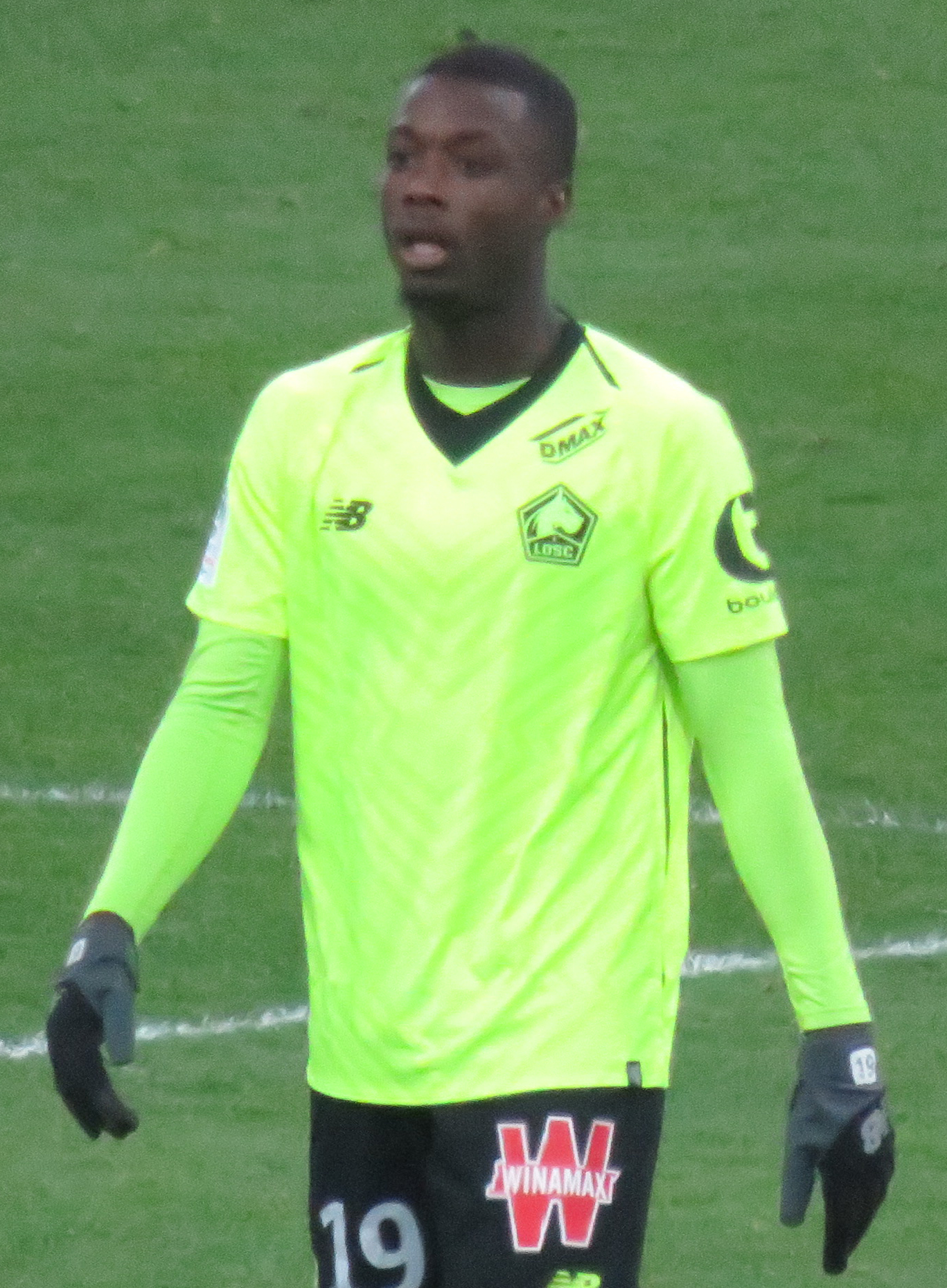
Ivory Coast have finally crossed a line that several gifted generations had chased without reaching. Late on Thursday, the Elephants secured a place in the World Cup knockout phase for the first time in their history. The Guardian framed the result as a landmark passage for the African champions, while BBC Sport centred its highlights around Nicolas Pépé’s decisive role and Curaçao’s elimination. For a side that already carried continental status, this was more than a group-stage result. It was proof that the current cycle can travel beyond Africa and still keep its nerve.
The symbolism matters because Ivory Coast have long carried a complicated World Cup image. The country has produced major players, powerful squads and forwards capable of deciding matches, yet the national team had never broken through this global threshold. This time the step came with a familiar face at the centre of the story. Pépé, once one of Europe’s most discussed wide forwards, became the experienced finisher in a match where history could have tightened every touch.
Pépé gave Ivory Coast the veteran edge
Nicolas Pépé did not need an extravagant all-action performance to define the night. He needed efficiency, timing and presence in the areas that change a tournament. That is why his contribution matters in the Ivorian reading of the match. When a team is chasing its first World Cup knockout qualification, the opponent is only one part of the challenge. The rest comes from expectation, memory, nervousness and the fear of letting a historic moment slip away.
Pépé answered like a player used to heavy environments. His club career in Europe, his experience in exposed teams and his long place in the national setup give him a form of attacking authority. He does not have to be the most spectacular player for the full evening to influence the outcome. He can choose his zones, pin a defender, attack the right space and turn territorial control into something concrete.
That matters for the Elephants. Ivory Coast have power, athleticism and depth, but World Cup football rewards teams that convert pressure without becoming frantic. Pépé offered that conversion point. His finishing calmed the group, gave the supporters a clear emotional release and allowed the bench to manage the game from a position of greater clarity.
A breakthrough that goes beyond one match
Ivory Coast’s passage is not only about one win over Curaçao. It reflects a longer progression. Since becoming African champions, the Elephants have had to live with a different kind of pressure. They are no longer a dangerous side that can surprise from below. They are a team with a status to defend, opponents who prepare for them differently, and a public that expects composure as well as talent.
The World Cup step confirms that this maturity can survive a new stage. In an expanded tournament, the group phase can produce complicated tables and moving permutations, but the essential task remains clear: stay alive long enough to give yourself a next match. Ivory Coast did that with a performance built on control, attacking efficiency and emotional management. The Guardian’s emphasis on the historic nature of the result captures why the night has weight.
For Ivorian football, the breakthrough creates a new reference point. Future debates will not only revolve around great players from the past or previous campaigns that ended too early. There is now a team that opened the door, a group that can be judged on what it does after the group stage rather than only on whether it can survive it.
Emerse Faé now faces a different test
Emerse Faé understands how quickly the mood around a national team can change. His recent journey with the Elephants has been shaped by urgency, pressure and emotional reversals. This World Cup passage strengthens his authority, but it also introduces a new problem: preparing a knockout fixture without allowing celebration to replace discipline.
The staff have three immediate priorities. The first is physical, because a World Cup brings travel, short recovery windows and opponents with very different profiles. The second is mental. A historic first can free a squad, but it can also make players feel that the main job has already been completed. The third is tactical. Ivory Coast must keep their impact while choosing carefully when to sit deeper and when to press for quick recoveries.
That management will say a lot about the project’s solidity. Major tournaments do not only reward emotional peaks. They reward teams that can come down, correct details and start again. Faé now has a squad that has proved it can break a barrier. His next job is to stop the following match from becoming an extended celebration.
Why the result matters for African football
The Ivorian breakthrough arrives in a tournament where African sides are trying to turn presence into sustained influence. Every knockout qualification matters, not as a slogan, but as evidence that teams from the continent can manage high-pressure matches with greater consistency. Ivory Coast carry a particular status. They are African champions, they have players from major leagues, and they represent a generation that wants more than participation.
That context gives the result extra weight. For young Ivorian players, seeing the Elephants reach this stage changes the imagination of an international career. It shows that a national team story does not have to stop at a strong Africa Cup of Nations. It can also be written on a World Cup stage, where every tactical detail, transition and duel is magnified.
There is also a message for future opponents. Ivory Coast are not only a team of power and pace. They can enter a match loaded with historical pressure, accept the weight of the occasion and still find the actions that move them forward. That nuance will matter in the next round, where margins become thinner and the opponent will have time to build a specific plan.
The next task is staying cold after history
The greatest success of the night may also be the greatest trap. A first World Cup knockout qualification can become an emotional summit. Ivory Coast need to turn it into a starting point. The difference between a beautiful story and a memorable campaign will now depend on how quickly they recover their competitive edge.
Pépé will remain under the spotlight because he carried the decisive attacking moment. But the next round will require more than a finisher in form. The Elephants will need a compact block, cleaner exits under pressure, a midfield that protects transitions and wide players willing to work without the ball when momentum swings. The experienced leaders must keep the group in a cold, focused state.
The sources checked for this pass, especially The Guardian and BBC Sport, establish the factual base: Ivory Coast have reached the World Cup knockout phase for the first time, and Nicolas Pépé gave the evening its attacking weight. What comes next is a sporting answer rather than a historical footnote. The Elephants have removed an old limit. Their new challenge is to prove that the limit was not a finish line, but the beginning of a larger tournament.
Photo credit: Bigmatbasket / Wikimedia Commons / CC BY-SA 4.0. Real Nicolas Pépé photo, cropped from the original and imported by SokaIQ for editorial publication.