World football
Jeremy Doku and the World Cup paternity debate football could not ignore
Jeremy Doku wants the option to be present for the birth of his first child if Belgium are still at the World Cup. The reaction to criticism in France has turned a personal decision into a wider football welfare debate.
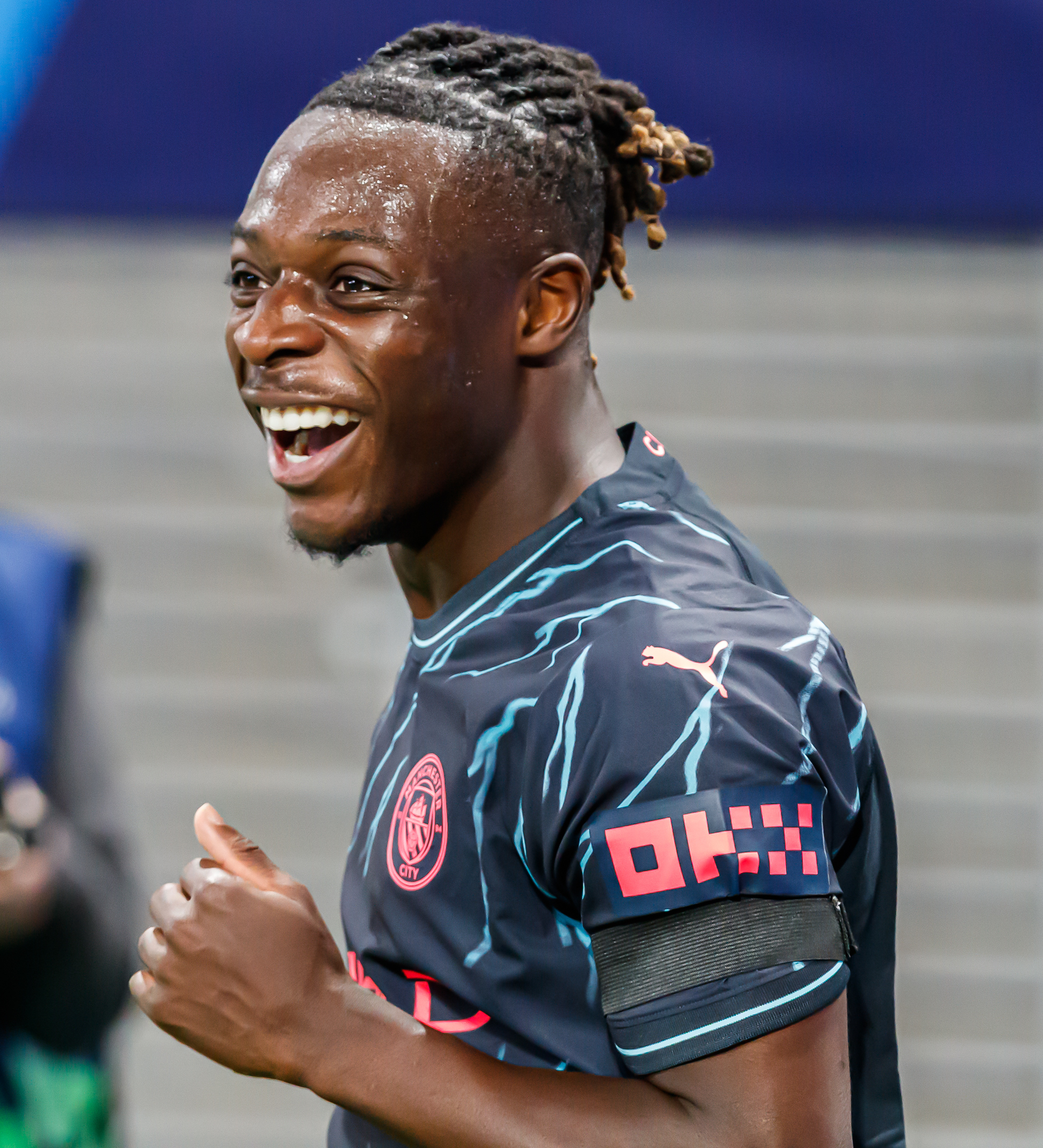
A personal decision became a football-wide test Jeremy Doku is at the centre of a debate that now reaches far beyond Belgium's World Cup camp. The Manchester City winger has said he wants the option to leave the Belgium squad if the birth of his first child happens during the tournament. The position is direct and human: a footballer can be fully committed to his team while still believing that a first birth is a moment he should not miss.
The discussion grew after France Pierron, a presenter on the L'Équipe channel, criticised the idea of a father leaving to attend the birth of his child. BBC Sport reports that L'Équipe later apologised, saying the remarks were far removed from its values, and that Pierron also apologised. What began as a television controversy has therefore become a wider test of how elite men's football speaks about family, responsibility and the limits of sporting duty.
For Belgium, the timing is sensitive because every possible absence matters during a tournament. Doku is not a marginal figure. He is a wide player who can stretch defensive lines, change the rhythm of an attack and force opponents to protect space they would rather ignore. Even so, treating the story only as a selection problem would miss the deeper issue. Doku is not asking football to stop. He is asking for a life event to be treated as real.
The response around the game shifted the tone The most important part of the story is the reaction that followed. According to BBC Sport, voices from inside and around football have backed Doku. England forward Ollie Watkins, who is a father, defended the importance of being present for a first child. The Professional Footballers' Association also said that demands placed on players should not come at the expense of fundamental family moments.
That response matters because it changes the old dressing-room script. For years, elite sport often framed total availability as proof of toughness. The message around Doku is different. It says that professionalism does not require a player to erase his private life. A footballer can prepare properly, respect his team-mates and still draw a line around one of the most important days in his family.
BBC Sport also quoted the Fatherhood Institute, which placed the debate in a wider social context. The point is not sentimental. Football creates heroes for public entertainment, but players are not only performers. They are partners, fathers, sons and people with commitments that do not disappear when a tournament reaches its sharpest stage. That distinction is healthy for the sport, because it makes the working environment more honest.
Belgium need clarity, not pressure From a football perspective, Belgium have a practical situation to manage. Doku's profile gives the team speed, width and one-on-one threat. When he is available, defenders have to adjust their positioning and midfielders have to protect the channel behind them. In a short competition, losing that kind of option even temporarily can affect rotation plans, game preparation and the way a bench is used.
But the smartest response is not pressure. If the Belgian federation supports the player, as Doku suggested in comments reported by BBC Sport and Reuters, it can protect the human side of the group while still preparing the football side properly. A squad usually functions better when players believe the rules are clear and humane. Turning a family moment into a loyalty test would only create guilt and distraction.
Belgium can plan around the uncertainty without making it dramatic. Travel scenarios can be prepared, alternatives can be coached, and communication can stay calm. That is what mature tournament management looks like. International football is full of unexpected events: illness, fatigue, suspension, tactical changes and personal circumstances. The teams that cope best are usually the ones with enough trust to absorb them without panic.
Men's football still lacks a modern paternity framework BBC Sport also highlights a structural gap. FIFA regulations include maternity leave protections for female footballers, but there is no similarly clear paternity framework in the men's game. That leaves many cases to be handled by individual clubs, national teams and managers. Some environments are flexible; others depend on old assumptions about sacrifice and silence.
A single universal rule may not solve every situation, because club seasons and international tournaments create different demands. But Doku's case shows why a clearer culture is needed. Players already accept a demanding profession. They travel constantly, live under public judgement and adapt their bodies to a calendar that leaves little space for normal life. That commitment should not mean that a birth becomes negotiable only at the mercy of public opinion.
The debate also reflects how younger players and supporters increasingly understand fatherhood. Being present is not a decorative role. It is part of family responsibility. Football has become more open about mental health, recovery, player welfare and sustainable performance. Paternity belongs in that same conversation. A healthier environment does not make elite teams softer. It can make them more stable.
A useful precedent if football listens Doku's situation should not be reduced to a conflict between country and family. It can become a useful precedent if football learns the right lesson: high performance and personal dignity do not have to be enemies. A player who wants to attend the birth of his child is not betraying his team. He is recognising a responsibility that many supporters, team-mates and parents understand instinctively.
The public reaction also tells federations something important. Modern squads are judged not only by results, but by how they treat people when the pressure rises. A national team that handles this kind of issue calmly can strengthen internal trust. One that responds with rigidity risks looking out of step with the game it claims to represent.
What happens next depends on Doku's family timeline and Belgium's route through the competition. The football consequences can be planned. The bigger message is already visible this Monday: much of the sport has moved behind the idea that a father should not be mocked for wanting to be present. In a World Cup built around tactical detail, this debate is a reminder that players remain bigger than their role on a teamsheet.
Image credit: Steffen Prößdorf / Wikimedia Commons, CC BY-SA 4.0; hosted by SokaIQ. Sources: BBC Sport, Reuters via BBC, L'Équipe statement reported by BBC, Professional Footballers' Association comments reported by BBC.