Football business
Manchester United secure the land: Old Trafford enters a new stadium era
Manchester United have secured most of the land required for a proposed 100,000-seat stadium. It is a major step for Old Trafford, the club and English football business.
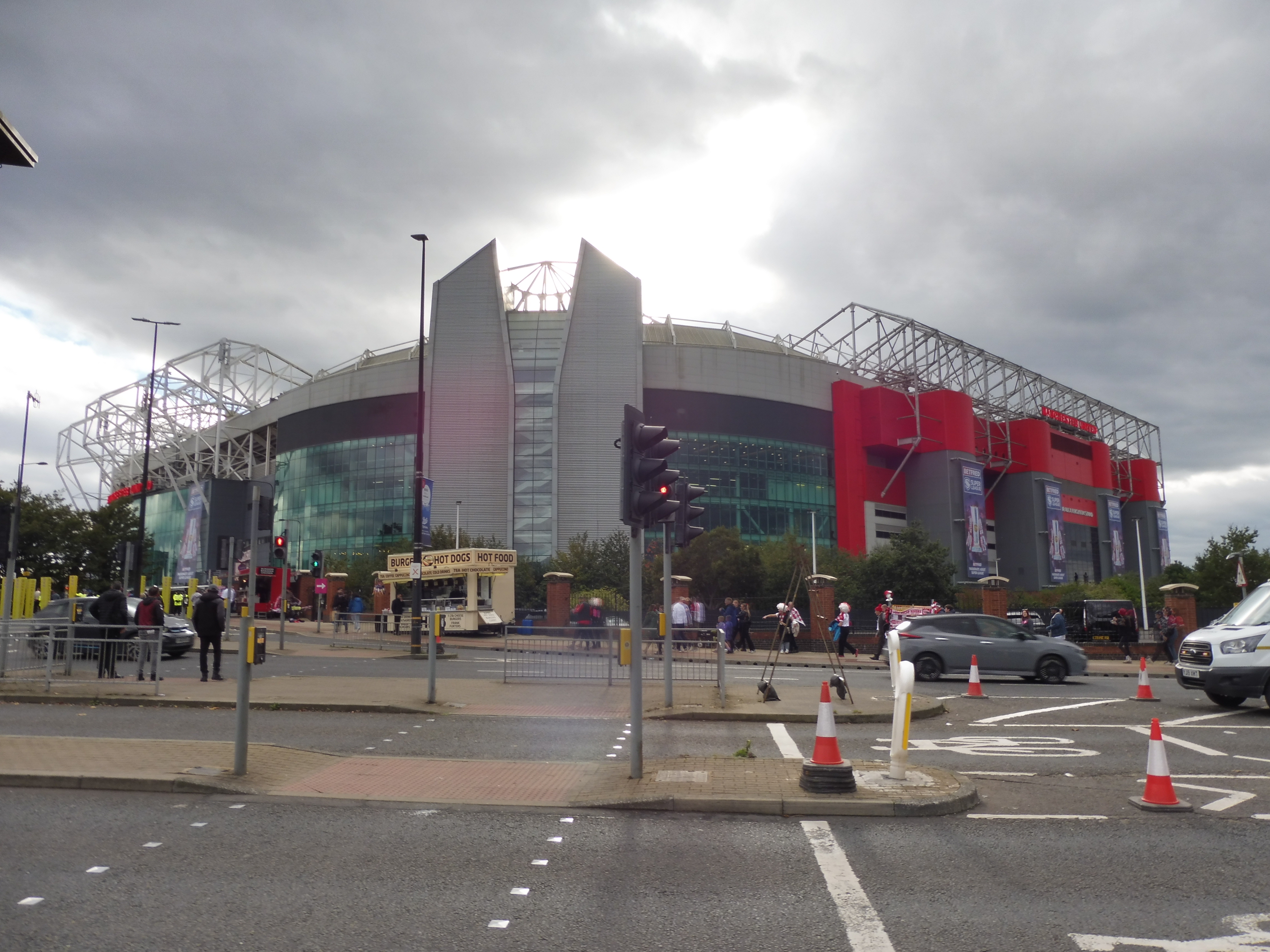
Manchester United have moved a stadium story from architectural imagination into a more concrete phase. On Monday 22 June 2026, the club announced that it had secured the majority of the land required for its proposed new 100,000-capacity stadium in the Old Trafford area. Sky Sports reported the development shortly afterwards, pointing to a strategically important site around Europa Way, Wharfside Way and John Gilbert Way, and to the next formal consultation stage around the wider regeneration master plan. For a club that has spent more than a century in the same football landscape, this is not a routine property update. It is a signal that the future of Old Trafford is now being shaped through land, planning and public process, not only through concept images.
Photo credit: Hullian111 / Wikimedia Commons / CC BY-SA 4.0. Real exterior photo of Old Trafford, cropped by SokaIQ for editorial publication.
The timing matters because Manchester United are trying to rebuild more than a team. The pitch remains the emotional centre of the club, but stadium revenue, supporter experience, matchday infrastructure, transport, hospitality and civic connection are now central to how elite clubs compete over decades. A 100,000-seat stadium does not win matches by itself. It can, however, reshape the operating frame around the club: how it welcomes supporters, how it earns, how it hosts major events and how it projects itself inside the global football economy.
A land deal that makes the stadium plan more real
Major stadium projects often begin with images before they reach the hard mechanics of land assembly, planning, permissions and local consultation. Computer-generated designs create a vision, but they do not solve the practical question of where a building actually sits and how the surrounding district will absorb it. That is why United's land announcement is important. Securing most of the required land does not mean every issue is settled, but it removes one of the largest uncertainties from a project of this scale.
The club has framed the development as part of a broader Old Trafford regeneration plan. That distinction is crucial. A modern stadium of this size cannot be treated as a single bowl dropped into a neighbourhood. It changes pedestrian flows, public transport pressure, commercial areas, matchday policing, resident routines and non-matchday use. When a club moves from drawings to land, it begins to define the ecosystem that will surround the football.
For Manchester United, the symbolism is unusually heavy because Old Trafford is not just a venue. Since 1910, it has carried the club through great teams, deep crises, rebuilding eras and European nights. The idea of a new stadium therefore has to manage a delicate tension: United must modernise without appearing to erase the place that has shaped so much of the club's identity. A land deal makes the future more credible, but it also makes that emotional conversation more urgent.
Why 100,000 seats change the scale of the conversation
A 100,000-capacity stadium would place Manchester United in rare European company. That number is not only designed to impress. It changes the economics and logistics of matchday football. More seats can mean more direct revenue, but only if the club protects atmosphere, access, pricing and the quality of the supporter experience. Filling a giant stadium for headline fixtures is one challenge. Making that scale work regularly, safely and convincingly is another.
The indirect sporting argument is clear. Clubs with stronger recurring income can invest more consistently in infrastructure, academy pathways, data, recruitment departments, medical support and player environments. Revenue does not score goals, but it pays for the platform that helps football departments become more stable. United know this better than most clubs: their global status has always been built on a mix of performance, brand power, history, stadium reach and supporter base.
There is also a risk. A stadium of this size can become a multiplier if the sporting project and supporter culture move with it. It can become a burden if the team remains unstable and fans feel that the club has turned a football home into a distant premium product. The success of the project will therefore depend on balance: creating a modern venue without flattening the noise, habits and popular energy that made Old Trafford meaningful.
Old Trafford between memory and transition
One of the important points around the plan is that Manchester United are expected to continue playing at Old Trafford while the new stadium is built. That continuity matters. It would allow supporters to experience the transition within the same territory rather than as a sudden relocation away from the club's historic setting. It can also create a more coherent story: the existing Old Trafford accompanies the birth of the next one instead of simply being pushed aside.
That detail carries weight in English football. Stadiums are not only sports buildings. They organise family routines, local businesses, pubs, transport habits, memories and weekly identity. A new United stadium beside Old Trafford must therefore do more than increase capacity. It has to preserve a sense of place. A club of United's size can build big; the harder task is to build in a way that still feels like United.
The consultation period around the master plan will be a key test. Supporters will want concrete answers on access, ticketing, affordable areas, atmosphere, acoustics, safe standing, visual landmarks, statues, museum space and the future of familiar meeting points. Stadium projects rarely lose public trust only because of a roofline or a seating bowl. They lose trust when supporters feel the project has been designed around them rather than with them.
A major signal for English football business
United's move also fits a broader English football trend. Leading clubs increasingly treat infrastructure as a strategic asset rather than a backdrop. Tottenham have already shown how a modern stadium can reshape a club's commercial profile by hosting football, concerts, NFL games and premium events while still trying to maintain a football identity. Manchester United begin from a different level of global recognition, but the question is similar: how do you turn a historic ground into a modern platform without diluting its soul?
The Premier League will watch closely because a new 100,000-seat United stadium would reinforce the competition's already powerful commercial pull. Elite clubs are no longer compared only by squads, trophies and coaches. They are compared through training campuses, stadiums, museums, hospitality spaces, digital reach and the ability to monetise a global audience without losing local credibility.
For Manchester as a city, the stakes go beyond one club. Regeneration around Old Trafford can create activity, jobs, investment and a new civic landmark, but it can also create tension around transport, local disruption and who benefits from the development. That is where football business meets public responsibility. A stadium can be an economic promise, but it is also a social object placed inside a living district.
What the next stage has to answer
The land announcement gives the project momentum, but it does not close the file. The next stage needs detail: the master plan, consultation calendar, construction timeline, transport impact, financing model, local authority process, supporter involvement and how the heritage of Old Trafford will be carried into the new venue. The name, statues, museum routes, entrance rituals, matchday sound and visual identity will all matter.
Caution is still necessary. Stadium projects in football rarely move in a straight line. Costs change, timelines shift, planning complications appear and supporter sentiment can move quickly. But today's development is significant because it turns United's ambition into something more tangible. The club has secured a key piece of the ground on which its next era may be built.
For supporters, the question is no longer only whether a new stadium is imaginable. It is what kind of Manchester United that stadium will serve. Will it support a club that is more modern, more stable, better connected to its city and better equipped for the next generation? Or will it become a grand shell before the sporting contradictions are properly solved? The answer will not come from one announcement. It will come from the decisions United make after securing the land.