World Cup
Ronaldo answers the critics and changes Portugal’s mood
After a heavy week around Portugal, Cristiano Ronaldo answered on the pitch and gave Roberto Martínez’s team room to breathe.
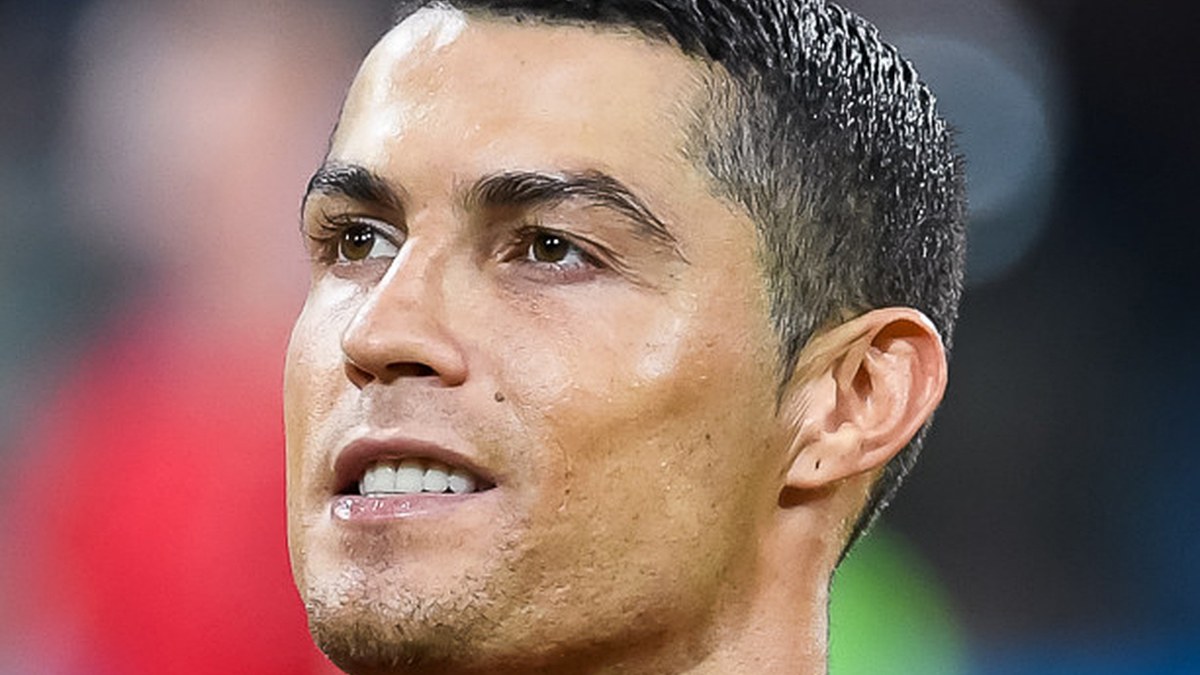
Cristiano Ronaldo turned a week of noise into an answer on the pitch. The Guardian described how the Portugal captain, heavily criticised after the flat opening game against DR Congo, spoke about a difficult spell before repeating into the cameras: “I’m back”. Sky Sports followed on Wednesday with his reaction to critics who had already “retired” him from the very top level, and with his blunt response when the Lionel Messi comparison was raised again.
Photo credit: Анна Нэсси / Wikimedia Commons / CC BY-SA 3.0. Real Cristiano Ronaldo Portugal photo, cropped by SokaIQ for editorial publication.
The story is bigger than a goalscorer returning to the news cycle. At forty-one, Ronaldo remains a sporting, media and tactical phenomenon that Portugal cannot treat as an ordinary player. His response against Uzbekistan does not settle every question, but it changes the tone of the conversation. It reminds everyone that his status is not only inherited; he can still produce moments that force his team, his coach and his opponents to adjust.
A week of criticism became a mental test The Guardian framed the build-up as a heavy week for Ronaldo and for Portugal. The draw against DR Congo reopened a familiar but still powerful debate: can a national team still be built around a historic superstar when a world tournament demands pressing, mobility and quick transitions? The question is legitimate, but it becomes severe very quickly when it concerns a player who has shaped two decades of European football.
Ronaldo admitted the weight of that period. According to The Guardian, he said public opinion had been very harsh on the group, on the coach and on him in particular. That matters because it goes beyond the usual language of focus. It shows that the Portugal dressing room felt the external pressure and that the answer was not only technical. It was psychological too.
In a short tournament, noise around a leader can spread through the whole squad. Teammates answer the same questions, the staff has to explain every selection, and opponents sense that pressure can be amplified. The next performance then becomes a balance exam: play the match, but also put out the fire around the match.
Ronaldo answered without closing Portugal’s debate Ronaldo’s response was powerful because it brought the discussion back to the pitch. Sky Sports noted that he hit back at criticism after reviving his tournament and extending his world record. The Guardian added that he became the first player to score at six World Cups, a milestone that keeps his career in a category of its own.
But an individual answer should not be mistaken for a complete solution. Portugal still have to find the right balance between the aura of their captain and the collective needs of a team trying to go deep. The challenge is subtle: use his penalty-area instinct, his hold over defenders and his experience, without allowing the whole attacking plan to depend on his presence.
That is where Roberto Martínez remains central. The coach has to protect his captain without making the dressing room look frozen. He also has to leave space for players who can accelerate around him. A major national team does not live only on symbols; it lives on connections, complementary runs and choices adjusted to each opponent.
The message sent to the dressing room and to opponents The “I’m back” line reported by The Guardian works as a television moment, but it has a deeper sporting use. It tells the dressing room that pressure can be turned into energy. It also reminds opponents that Ronaldo does not need to dominate an entire match to shape its story. One touch, one run, one presence in the box can be enough to change the atmosphere.
That threat changes how teams defend against Portugal. Even when Ronaldo is less involved in certain build-up phases, defenders keep part of their attention fixed on him. That can open space for Portugal’s midfielders and wide players. It can also force a back line to drop a few metres instead of carrying the press all the way through.
There is a downside as well. If Portugal look for their captain too early and too often, they can become predictable. Their best phases will probably come from compromise: use Ronaldo as a reference point and finisher, but let the rest of the collective create movement, width and breaks in rhythm. His response brings calm; it should not become an excuse to simplify the football.
The Messi comparison should not swallow the story Sky Sports highlighted the moment Ronaldo shut down a question about Lionel Messi. The Guardian noted that his record arrived shortly after another historic Messi marker in the tournament. The rivalry remains a media magnet, but it can also shrink the sporting reading. Portugal do not only need to win a legacy conversation; they need to manage a real tournament, with different opponents and a heavy physical load.
For Ronaldo, the best answer is therefore not only comparison. It is staying useful inside Portugal’s structure. His own words, as reported by The Guardian, point in that direction when he stresses the team’s work, restored confidence and collective objective. At this stage of his career, every major performance becomes stronger when it appears to serve the group rather than the personal museum.
Portugal also have to avoid letting the media debate become a dependency. If Ronaldo shines, the team must not forget its other solutions. If he has a quieter match, it must not fall back into panic. Title contenders survive multiple scenarios, not only the one that confirms their central legend.
What this response changes for Portugal The immediate consequence is clear: Portugal can breathe more easily. The coach gains time, the captain regains authority, and the group can move forward with less tension around the lineup. In a World Cup where the sequence of games wears down nerves as much as legs, that drop in pressure has real value.
The next step will still require more than a reaction moment. Portugal have to show that this performance can become a platform for improvement. They must vary routes into attack, protect defensive balance, manage Ronaldo’s energy and prepare for matches where space will be tighter. A tournament does not reward only emotional answers; it rewards teams that turn them into a durable structure.
Ronaldo has reminded everyone that he is not a memory. That is a powerful new data point for Portugal. The real test starts now: turn relief into control, and make sure the most watched star in the tournament remains a collective lever rather than a permanent debate.