FIFA / world football
Trossard lifts Belgium: the attacking signal they needed before the knockouts
Leandro Trossard pushed Belgium into the World Cup knockout phase as group winners. His role changes the attacking picture around the Red Devils.
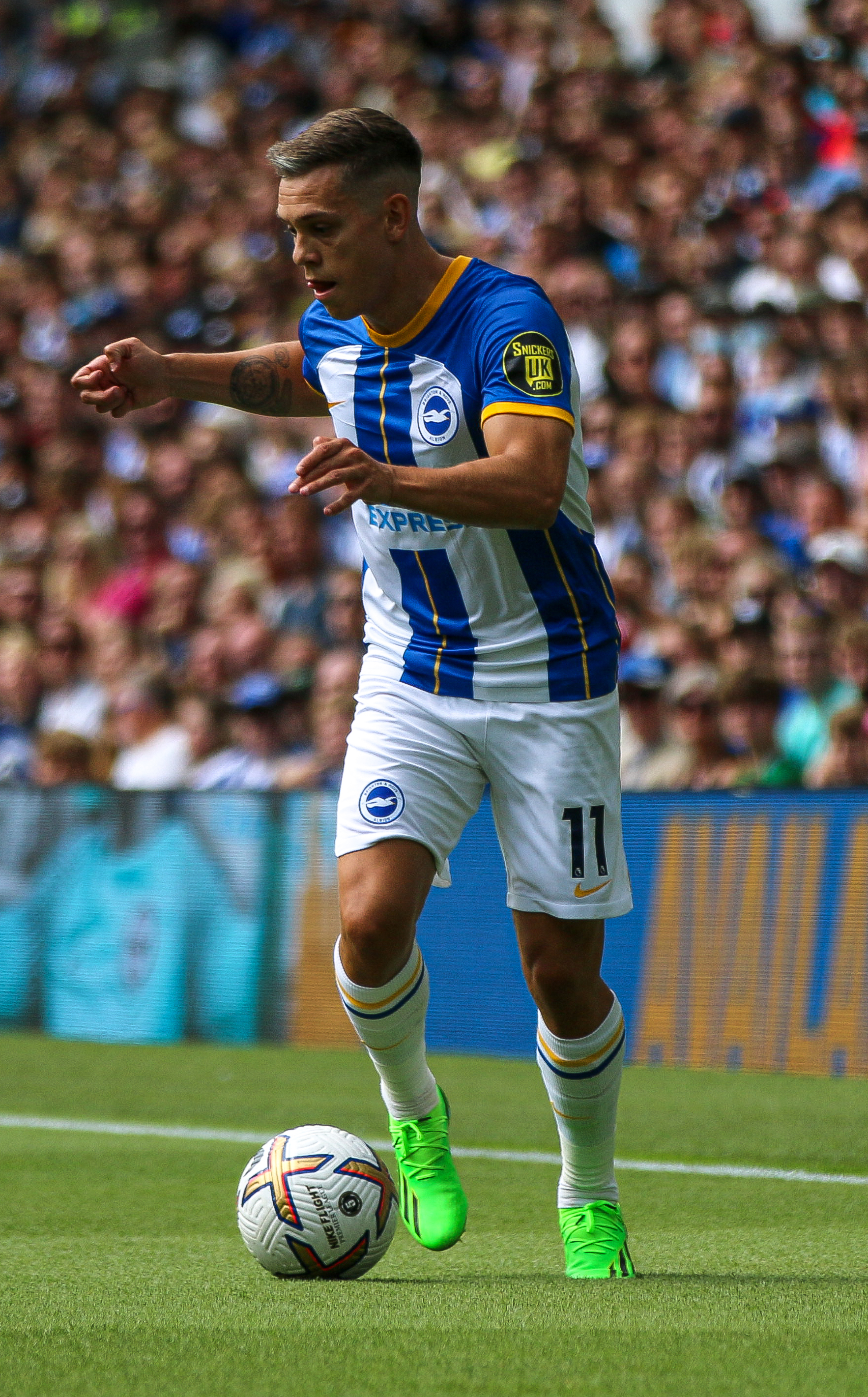
Belgium have secured their place in the World Cup knockout phase as group winners, with Leandro Trossard at the centre of the story. The Guardian and Sky Sports both highlighted the Belgian forward’s double, while the Washington Post confirmed the broader picture: after a less than fluent start to the tournament, the Red Devils produced a collective answer at the moment when pressure was beginning to rise.
The value of this qualification goes beyond the final result. Belgium are playing a tournament loaded with questions: an ageing core, new balances, expectations around Kevin De Bruyne, the need for additional attacking outlets and the familiar debate about depth. In that context, Trossard taking such a prominent role is not a detail. It is a signal about how Belgium can move forward without relying on one creator or one fixed attacking script.
Trossard gives Belgium a major-player answer
Trossard is not a new name, but this performance changes the tone of Belgium’s tournament. Sky Sports stressed his decisive impact, and The Guardian framed Belgium as a side able to move through the evening with greater attacking certainty. For a player often used as a flexible solution, between the wing, the half-space and supporting the striker, this kind of display carries weight in a tournament hierarchy.
His value lies in how he reads space. Trossard does not need to dominate possession to matter. He can appear between two lines, attack a short channel, combine quickly or finish a move when defenders are drawn toward other threats. That active subtlety suits a Belgium side trying to widen its attacking register. When a match demands movement rather than slow control, he gives them a natural answer.
That rise also matters psychologically. Major national teams need players who can take responsibility when the public conversation is focused on the historic leaders. Trossard showed he is not merely a luxury addition. He can become an accelerator, a finisher and a trusted option in the stage of the competition where small moments will decide a lot.
Belgium rediscover attacking depth
Belgium have often been judged through their most famous individuals. This time, the message is more collective. De Bruyne remains a reference point, Romelu Lukaku remains a penalty-box landmark when available, but the rest of the tournament will demand more than one familiar pattern around a few names. Winning the group gives the staff a broader platform: several players can carry a spell, change the tempo and ease the load on the leaders.
Trossard matters because he makes that idea concrete. His mobility forces opponents to defend differently. He can drag a full-back inside, open a lane for a teammate or profit from a gap created by another forward’s movement. That profile is valuable in tighter knockout games, especially when Belgium face more disciplined defensive blocks than those they met in the group phase.
The Belgian tournament is not suddenly flawless. Qualification does not erase debates around defensive transitions, intensity without the ball or the ability to control weaker spells. But it gives Belgium time, confidence and a stronger working base. Above all, it shows that the squad still has enough resources to answer pressure with football rather than experience alone.
A side that needed reassurance after a hesitant opening
The Washington Post noted that Belgium had to overcome a slow start to the tournament before advancing. That is central to the story. In an expanded World Cup, surviving the early days is not enough; a contender also has to look as if it is improving. The Red Devils needed a match that changed the conversation, restored their attacking ceiling to the debate and prevented qualification from feeling like a routine step without conviction.
That kind of reaction has internal value. Players can feel when a dynamic turns. A dressing room carrying small doubts can loosen up after an evening in which runs are better coordinated, chances arrive more naturally, and starters and substitutes appear to be moving in the same direction. Belgium needed that feeling before entering the part of the tournament where every mistake becomes final.
The staff must now avoid the opposite mistake. A productive night can create confidence, but it can also hide weaknesses. Belgium will need to keep the same discipline in their positioning, avoid becoming too open after a good spell and continue protecting midfield spaces when opponents attack more quickly. Enthusiasm is useful only if it remains tied to structure.
Why this qualification changes the next phase
Finishing top of the group gives Belgium both a narrative and a sporting advantage. Narrative, because the external view changes: they are no longer only a side being monitored for age or limitations, but again a team capable of producing a strong night. Sporting, because knockout football demands immediate confidence. Teams do not enter those matches with the same body language when the latest impression is positive.
Trossard can also alter Domenico Tedesco’s choices. A player who performs in an important moment always forces the coach to think again. Should he be kept in the starting structure? Held as a change-of-rhythm weapon? Linked more closely with the senior creators? The answer will depend on the opponent, but Belgium now have a more convincing option in the final third.
That flexibility may be the best news of the evening. In a tournament where favourites will not always control the terms, having several routes to danger is essential. Belgium have not only booked their place in the next phase. They have gained an argument: their attack can still surprise, and Trossard can be one of the faces of that adaptation.
The real test begins now
The next phase will show whether this was a turning point or merely a release of pressure. Belgium will face opponents better able to close spaces, punish loose possession and isolate creative players. The level of demand will rise quickly. But it is always better to arrive there with attacking players in form than with a qualification that feels flat.
Trossard therefore gave Belgium more than a match line. He offered a way to read what could come next: Red Devils who are less fixed, more mobile, and able to lean on a player who understands intervals and can turn a discreet action into a decisive moment. For a national team still balancing heritage and renewal, that signal comes at exactly the right time.
Photo credit: Dudek1337 / Wikimedia Commons / CC BY 2.0. Real photo of Leandro Trossard, imported by SokaIQ for editorial publication.