World football
Trump to present the World Cup trophy: what it says about the 2026 final
Gianni Infantino says Donald Trump will attend the World Cup final and present the trophy, placing the tournament’s final night at the centre of sporting and political protocol.
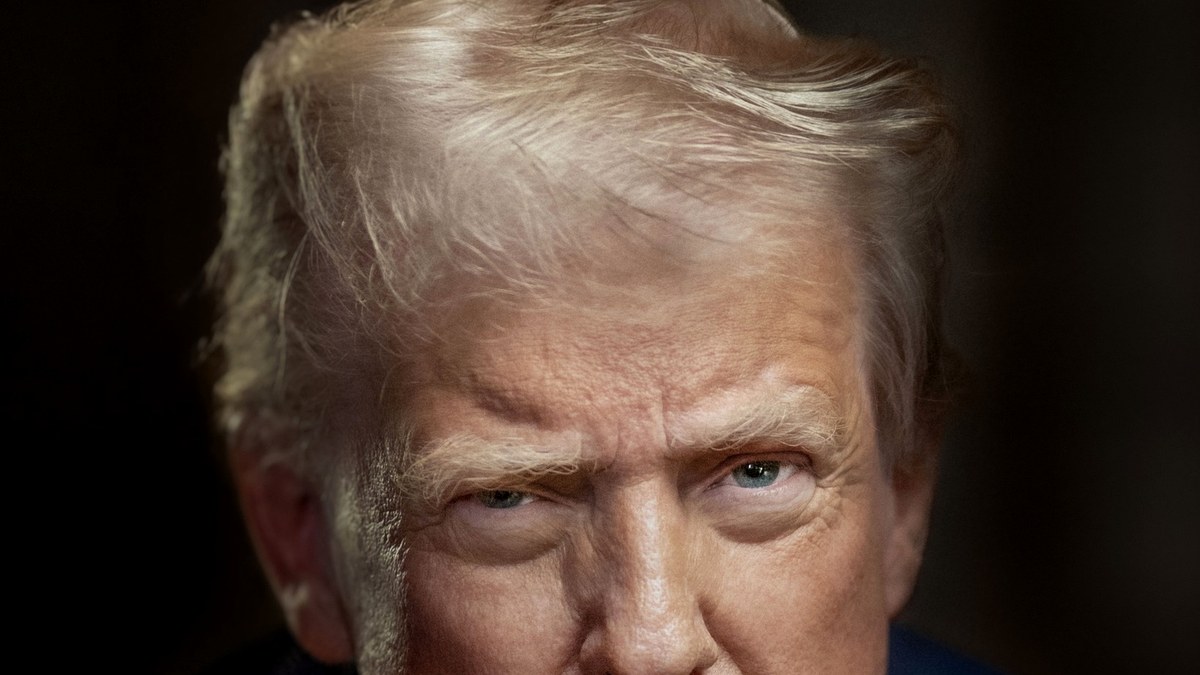
Donald Trump will attend the World Cup final and present the trophy to the winners, according to Gianni Infantino. BBC Sport reported the announcement on Tuesday, and The Guardian carried the same comments from the FIFA president, who said the United States president would be present for the last act of the tournament. In a World Cup hosted by the United States, Canada and Mexico, that presence gives the final a political and institutional layer beyond the post-match ceremony.
Photo credit: Daniel Torok / White House / Wikimedia Commons / Public Domain. Real 2025 official presidential portrait of Donald J. Trump, cropped by SokaIQ for editorial publication.
The detail matters because it puts the final at the meeting point of global football, state protocol and FIFA strategy. A trophy handover is never a neutral image. It becomes the last frame of the tournament, the picture carried by broadcasters, photo agencies, federations and supporters around the world. When the head of state of the main host country stands inside that sequence, the ceremony also becomes a message about how the competition wants to present itself to a global audience.
A final that also becomes an institutional stage A World Cup final belongs first to the players, coaches and supporters. Yet it is also one of the most controlled events in world sport. Every protocol detail is watched: the walkout, the dignitaries, the medals, the movement of the trophy and the celebration image. The Trump announcement fits that reality. It does not change the football played on the pitch, but it changes the political backdrop of the final night.
Infantino has often worked to keep FIFA close to public authorities, especially when major tournaments require security, infrastructure, visas, transport and coordination between different agencies. The 2026 World Cup pushes that even further because it is staged across three countries and a huge geographical area. Washington’s role is therefore more than symbolic. The American state sits at the centre of hosting, security and the movement of millions of visitors.
In that context, Trump’s place at the final can be read as an assertion of the United States’ role in the tournament. FIFA gets an image of high-level political support; the White House gets a global sporting stage. The football challenge is to keep the ceremony focused on the competition rather than the political noise around it.
Infantino is protecting the host-country relationship The revealing part is not only the fact of Trump’s attendance, but the way Infantino has framed the relationship. The Guardian reported him speaking about his closeness to Trump and the two men being together around the trophy moment. That tone shows a FIFA leadership fully aware of the power of the host state. The organisation has spent years defending a bigger, more commercial and more international World Cup, and that model needs governments willing to carry the load.
The final will also be a governance showcase. For a tournament this large, FIFA has to prove that the machine works: stadiums, travel, security, fan access, hospitality, city coordination and delegation management. The president’s presence does not solve those questions, but it provides an image of institutional alignment at the very moment when the competition will be under the strongest scrutiny.
There is risk too. A World Cup is watched by audiences with very different political instincts. The more a ceremony appears tied to a political figure, the more mixed the reaction can become. FIFA will need a clean line: the trophy rewards the champion team, not a national communications exercise.
What it changes for the image of the tournament The person who presents the trophy helps shape the visual memory of a final. Millions of people will not remember only the last attack or the captain’s celebration. They will also see who is on the podium, how the trophy moves, who shakes hands and what atmosphere surrounds the handover. In a North American edition, the image of an American president inside that protocol will inevitably be discussed.
For organisers, the upside is clear. The final gains even more event weight. It becomes a sporting occasion and a diplomatic moment capable of reaching audiences beyond regular football fans. For teams, the ideal is different: the political stage should not take oxygen away from the sporting achievement. Players who reach a World Cup final do not need an extra frame to make their journey meaningful.
Balance will be the key. Football can absorb symbols, but it reacts badly when the ceremony appears to pull light away from the game. If the staging is restrained, Trump’s presence will remain a protocol detail. If it becomes too heavy, it could become the parallel story of the night.
A reminder of how much states matter in modern football The sequence also says something wider about the modern game. Major tournaments are no longer only sporting calendars; they are state projects, image operations, tourism platforms and logistical stress tests. Governments want to be associated with them because the audience is massive and because football offers a kind of visibility few events can match.
FIFA has to operate inside that reality. It sells a universal tournament, but it depends on very concrete national decisions: visas, security, borders, tax guarantees, public transport, public guarantees and diplomatic relationships. When Infantino says Trump will be there for the final, he is also reminding the football world that global organisation happens in the rooms of political power as well as in stadiums.
That does not make the pitch secondary. In fact, the more visible the political frame becomes, the more important the sporting quality is. The World Cup still needs football stories: rivalries, surprises, collective drama, breakout players and great teams. Protocol can frame the moment; it must not swallow it.
The final night still has to belong to the champions Trump’s presence will give the final a strong image. It will say something about the 2026 edition, its American centre of gravity and the way FIFA wants to present its most ambitious tournament. But the success of the ceremony will depend on a simple test: when the trophy is handed over, the attention must return to the team that earned it.
That is the challenge of every modern final. These events are too big to be only sport, but they lose their meaning if they stop being sport first. FIFA can use the American president’s presence to underline the institutional weight of the occasion. Above all, it has to make sure the last image remains a football image: players, a captain, a trophy and a story built on the pitch.