World Cup
Brazil face the Neymar question as Ancelotti prepares Scotland test
Neymar is available for Brazil against Scotland, but Carlo Ancelotti’s real task is to protect the team’s balance around the possible return.
Brazil move toward their meeting with Scotland with a question bigger than a team sheet: Carlo Ancelotti has to turn the attention around Neymar into collective balance. BBC Sport reports that the Brazil coach has confirmed Neymar is available for the match in Miami, while stopping short of guaranteeing his role. The Brazilian federation has also framed the Scotland fixture as an important stage for the Seleção in a high-profile stadium. The situation is therefore clear: Neymar can return to the match group, but the sporting decision remains Ancelotti’s.
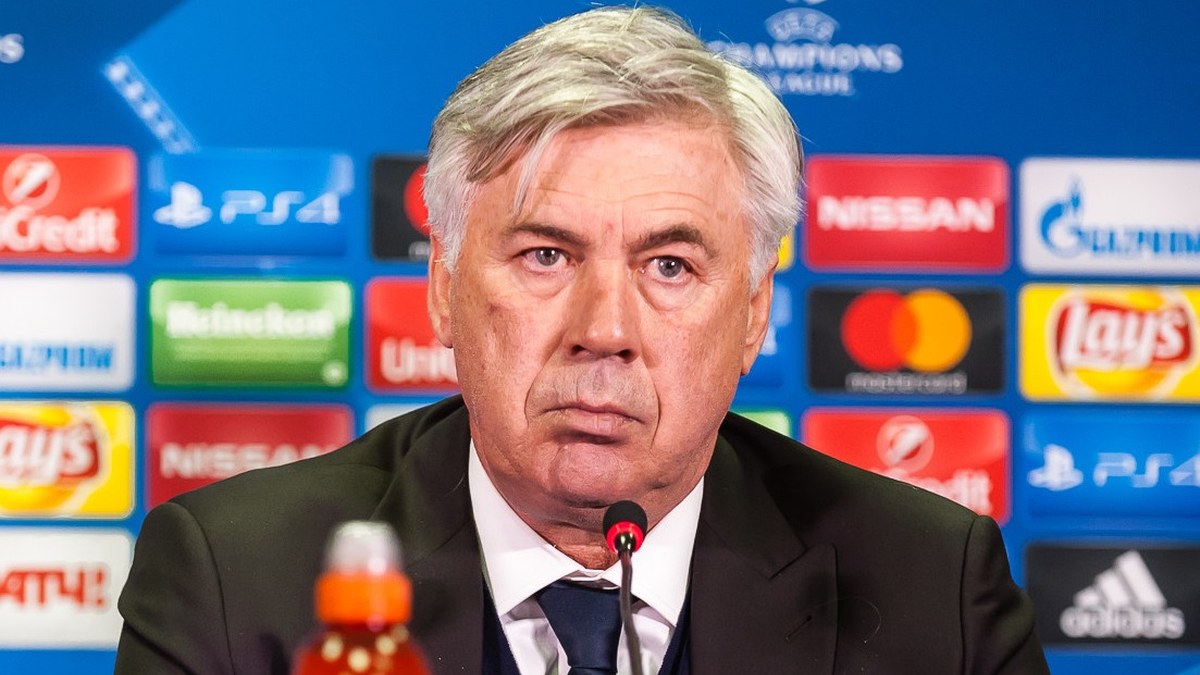
Photo credit: Wikimedia Commons / CC BY-SA 3.0 / GFDL. Real Carlo Ancelotti photo, cropped by SokaIQ for editorial publication.
This is about more than the fitness of a star. Brazil are trying to preserve their attacking identity without reducing the plan to one name. Neymar naturally draws attention because he carries so much of the Seleção’s recent imagination. But Ancelotti is managing a more modern equation: integrate individual talent without breaking stability, keep creative threat without weakening defensive running, and turn the emotion of a possible return into strength rather than distraction.
Available does not automatically mean starting The nuance matters. Availability is not the same as automatic selection. BBC Sport reports that Ancelotti described Neymar as ready after a positive training week, but the coach kept his decision space open. That caution makes sense. A tournament is not won only by putting the biggest names on the pitch; it is built through managed minutes, defined roles and a cold reading of the moment.
For Neymar, any return in Brazil colours carries obvious emotional weight. He is one of the most recognisable players of his generation, and his recent absence has left symbolic space around the national team. But Brazil cannot organise the whole game around that story. Scotland bring competitive urgency, resistance and a capacity to make the contest more physical than elegant. Ancelotti therefore has to decide not only whether Neymar can play, but how Brazil remain coherent around him.
That distinction also protects the player. A heavily framed comeback can become a trap if every touch is treated as a final judgement. The healthier approach is to treat Neymar as a high-level option, not as a dramatic obligation.
Ancelotti is trying to make Brazil more stable Ancelotti’s Brazil are watched intensely because the appointment brings together two strong football cultures: the creative heritage of the Seleção and the reputation of a coach built on managing major dressing rooms. The Brazilian federation’s pre-tournament communication already leaned on words such as trust, concentration and humility. Those words are not decorative. They point to the type of dressing room the coach wants: less noise, more control.
Against Scotland, that line becomes practical. Brazil need to keep the ball with enough patience to avoid forcing actions, but also accelerate at the right moments so possession does not become sterile. Creative players can make the difference, but the structure around them has to prevent dangerous transitions. This is where Ancelotti’s method is being tested: give freedom without allowing the match to lose its shape.
The aim is not to erase Brazilian style. It is to make it more durable. Great tournament teams can alternate spectacle and management. They can entertain when the space is there, then close the gaps when the rhythm turns dangerous.
Neymar changes the reading even without a full role Neymar’s presence in the group already changes Scotland’s preparation. An opponent has to consider his movement between the lines, his first touch under pressure, the fouls he can draw and his ability to attract more than one defender. Even if his role is gradual, his return to the equation forces the other bench to keep an answer ready. That is a tactical advantage, but only if Brazil use it with restraint.
The risk would be to search for Neymar every time he appears. That would make Brazil predictable and expose the collective to poorly covered turnovers. The better scenario is different: use Neymar as a connector, a player who can help the attack breathe, attract pressure and release teammates already on the move. In that role, he does not need to carry the whole match to be valuable.
The physical question remains central as well. Returning to international football after a spell out demands rhythm management. The first runs, duels, changes of direction and defensive volume often say more than the spectacular moments. Ancelotti knows Brazil need Neymar in condition, not just Neymar as a symbol.
Scotland can test Brazil’s patience Scotland are not background scenery in this story. The Miami match can become a real patience test, especially if Brazil face a compact block, repeated duels and an opponent unwilling to open up early. In that scenario, the Seleção must avoid two mistakes: confusing speed with haste, and confusing territory with real control.
The key will be the distance between the lines. If Brazil attack with too many players ahead of the ball, Scotland can find direct exits and turn each loss of possession into an alert. If Brazil become too cautious, they can give confidence to an opponent waiting for frustration to rise. The balance lies in accelerating without losing organisation.
The public will watch Neymar, but the staff will watch the connections. Who covers the advanced runs? Who occupies the second-ball zone? Who offers the simple pass when the wide lane is closed? Those details will decide whether the night confirms Brazil’s progression or leaves questions open.
A match that can set Brazil’s tone This fixture arrives at the right moment to show where Ancelotti’s Brazil stand. The team have enough talent to impress, but a tournament demands more than flashes. It needs a clear hierarchy, physical-state management and the ability not to be swallowed by individual storylines. Neymar’s possible return gives the match narrative power; the collective response will show whether that narrative serves the project.
If Ancelotti gets the dosage right, Brazil can leave this sequence with two gains: Neymar reintegrated without excess and a team still moving inside a shared frame. If the dosage is wrong, the debate will quickly move toward dependence, rhythm and role selection. That is why the eve of the match matters. It does not promise a destiny, but it reveals a method.
For SokaIQ, the football point is straightforward: Neymar’s availability is a major update, but the deeper question is Brazil’s architecture. Brazil can become more dangerous with him; they must not lose their balance in the process.