UEFA
Brentford and Shakhtar: why the Gtech Stadium could enter the Champions League
Brentford are in talks with Shakhtar Donetsk over hosting Champions League matches, a story that exposes the logistics behind the Ukrainian club's European home.
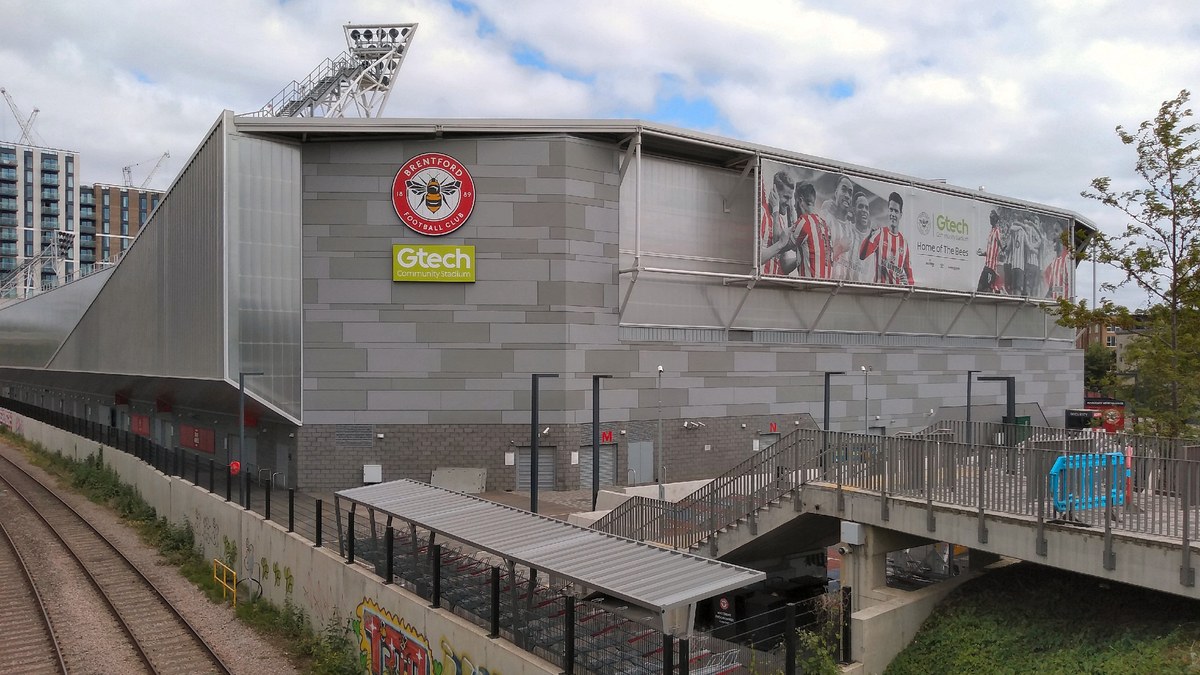
Brentford could host Champions League nights without actually being in the competition. BBC Sport reports today that the London club are in talks with Shakhtar Donetsk over using the Gtech Community Stadium for the Ukrainian side's European home matches next season. Inside World Football had already identified the Brentford option, while the Evening Standard also presents the stadium as a venue under consideration for Shakhtar's continental fixtures.
The distinction matters: this is not a confirmed agreement, but a live discussion around a neutral home solution. Since the war in Ukraine began, Shakhtar have had to stage European matches away from Donetsk and build a temporary sense of home across different parts of the continent. The possibility of a Premier League stadium entering that plan gives the story a sporting, logistical and symbolic weight that goes far beyond the curiosity of an English club lending its ground.
A neutral venue that says a lot about European football
The Champions League is often described through fixtures, stars and established elite clubs. Shakhtar's situation reminds everyone that the competition also depends on more practical foundations: being able to host, secure a crowd, move a delegation, meet UEFA requirements and give players something close to a normal match routine. A European game is not just the whistle. It needs a stadium, a host city, safety protocols, ticketing, broadcast operations and an environment capable of carrying the event.
In that context, Brentford is an interesting option because the stadium is modern, compact, based in London and already used to Premier League standards. The Gtech Community Stadium does not have the scale of England's biggest football cathedrals, but that is part of its identity. It offers proximity, intensity, clear sightlines and a dense match environment. For a displaced club, that kind of venue can offer more than a practical address. It can provide atmosphere.
The file is still sensitive. A club hosting another team's European nights has to manage its calendar, security operation, pitch usage, media areas and commercial arrangements. Local supporters may see it as a rare chance to experience Champions League football in west London, or as an added complication in their own club's season. Much will depend on the exact format, the number of games and how the operation is explained.
Shakhtar still need a credible European home
Shakhtar understand better than most clubs how difficult it is to compete without a true home. The club long represented Donetsk on the European stage, but it has had to turn its football operation into something mobile. That requires enormous energy. Every European campaign brings another search for a venue, another relationship with a host stadium, another set of approvals, travel plans and emotional compromises for supporters who are scattered far from the club's original base.
The question, therefore, is not simply finding an available pitch. Shakhtar need a place that respects their competitive level. Champions League opponents should not feel as if they are walking into a secondary event. Shakhtar's players need to feel that they are working inside a professional, loud, stable and competition-worthy setting. The quality of the host stadium shapes the squad's experience as much as the outside image of the club.
A move to Brentford would also carry a political and football message. London has a large international community, strong transport infrastructure and a long culture of European match nights. Even if Shakhtar remained far from home, they could find a clear stage for supporters, media and broadcasters. For a team constantly rebuilding its surroundings, that clarity matters.
Brentford are an unexpected but logical host
Brentford are not naturally associated with the Champions League. That is what makes the possibility interesting. The club have built a reputation for smart management, methodical growth and efficiency inside a fiercely competitive English environment. Hosting Shakhtar's matches would not turn Brentford into a European club, but it would put the stadium into a different continental conversation.
The Gtech Community Stadium has the advantage of being modern enough for demanding operations while still feeling human in scale. That combination could appeal to a club that is not just looking for a large empty backdrop. Shakhtar need a venue that is alive, usable, coherent with their constraints and able to function on several European nights without disrupting the wider English calendar. The London option should therefore be judged as much by practicality as by prestige.
For Brentford, the subject requires careful communication. Supporters are more likely to understand the idea if it is framed as an exceptional act of European hosting rather than as a commercial distraction. The club would also need to show that its first team, women's team, stadium staff and pitch quality would not be weakened. A smart idea on paper can quickly irritate people if it interferes too much with everyday club life.
UEFA is dealing with a reality that has become durable
Shakhtar's case shows how European football has had to become used to long-term displacement. What can begin as a temporary fix can become a recurring operating model. For UEFA, that creates a question of consistency: how does a competition protect its integrity when some clubs cannot access their real home for several seasons?
The answer needs rules, but also flexibility. A neutral venue has to be safe, compliant and available. It also has to create an experience that feels like a high-level match rather than a technical rental. Choosing an English stadium would show that the competition can lean on a practical European support network, provided local calendars and local interests are respected.
This issue is bigger than Shakhtar alone. Other clubs, in other circumstances, may one day need similar solutions. International and continental competitions therefore have to learn the difference between an unfair sporting advantage and necessary logistical help. A displaced club is not always looking for privilege; often it is looking for the minimum stability required to compete properly.
A decision worth watching beyond the curiosity
If an agreement is reached, Shakhtar matches at Brentford would become one of the most unusual stories of the next Champions League season. The European nights would not only belong to a Ukrainian club living with sporting exile. They would also test a modern London stadium, a curious local audience and a continental football system trying to stay human under heavy constraints.
For now, the important point is to keep the level of certainty right. BBC Sport reports talks, Inside World Football has described the possibility, and the Evening Standard also places Brentford in the discussion. That is enough to follow the story closely, not enough to treat it as a final agreement. The next step will show whether the Gtech Community Stadium really becomes a temporary European home for Shakhtar.
Photo credit: AndyScott / Wikimedia Commons / CC BY-SA 4.0. Real Brentford Community Stadium photo from Lionel Road South, imported and cropped by SokaIQ for editorial publication.