FIFA
Reece James concern gives England a tactical test before Panama
Reece James is expected to miss England’s Panama game after a hamstring concern, leaving Thomas Tuchel with an important right-flank decision.
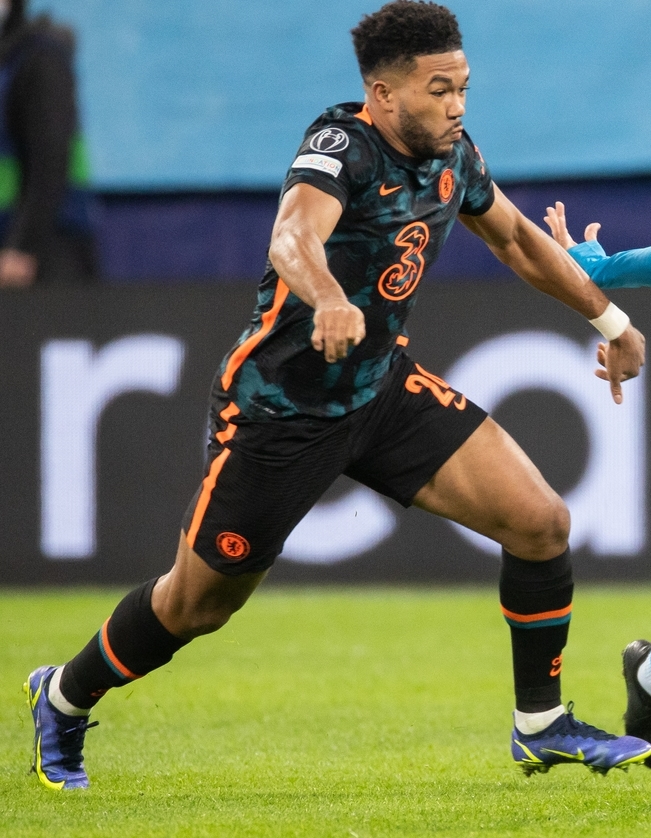
Today, England’s final group match against Panama has taken on a sharper tactical edge because of a problem on the right side of Thomas Tuchel’s team. BBC Sport reported that Reece James missed Thursday’s training session in Kansas City after feeling hamstring discomfort against Ghana, while The Guardian said on Friday that he was the only player absent from England training and is expected to miss Saturday’s game. That is not just a medical note. It affects one of the most important positions in England’s structure, at a moment when Tuchel is still trying to sharpen the team’s rhythm, width and control before the knockout phase.
James had started England’s first two matches at the tournament. His value is not limited to his name or reputation. He gives England power in duels, clean delivery from wide areas, recovery pace, defensive authority and the ability to hold the right flank without constant protection. When that type of player becomes a doubt, the effect travels through the team. Tuchel does not simply lose a right-back. He has to reconsider how England progress the ball, cover transitions and open a low defensive block that, according to The Guardian’s preview of England against Panama, could demand patience and precision.
A physical warning at an awkward time
The timing makes the concern more significant. England remain in a strong position in their group, but the early tournament performances have not felt completely settled. Questions about tempo, creativity and the team’s ability to turn possession into clear chances have already followed Tuchel’s side. In that context, losing a structural player, even temporarily, matters more than a routine rotation.
BBC Sport says James felt the issue after the Ghana match and then missed England’s penultimate session before Panama. The Guardian added that his absence from Friday training leaves Ezri Konsa likely to move across to right-back. That is a logical solution, but it changes the type of team England become. Konsa brings defensive security, discipline and strong reading of danger. James offers more thrust, more crossing variety and more natural authority in the attacking half.
That distinction matters for Tuchel. Against an opponent expected to defend deep, the right-back is not only there to stop counterattacks. He may need to pin the opposing wide player, combine with the winger, deliver early balls or step inside to create a different passing angle. If James is missing, England may gain caution but lose some of the force that normally helps them stretch that side of the pitch.
How James’ absence would alter Tuchel’s plan
Tuchel has built much of his coaching reputation on structural adjustment. He can change the feel of a team without changing every name on the pitch. With James doubtful, he has several choices: keep the back line more conservative, ask Konsa to stay deeper to protect against turnovers, or use a midfielder to slide across and support the right side. Each answer would say something different about England’s priorities.
A cautious approach would protect England against Panama’s transitions, but it could slow their possession play. A more ambitious approach would ask the right winger or a central midfielder to provide more width and movement. In that case, James’ absence would show less in the formation graphic than in the distribution of responsibilities. England’s progression would depend more heavily on rotations, switches of play and sharper movement between the lines.
The issue is linked to Declan Rice as well. BBC Sport reported that Rice also missed training, although his fitness is understood to be less of a concern. He left the previous match with strapping on his calf and remains central to England’s defensive cover. If Tuchel manages Rice carefully, the right side becomes even more important. A James absence combined with a cautious Rice plan would force England to rely on collective spacing rather than two players who normally solve many physical problems.
Panama can turn the injury concern into a real test
Panama do not bring the same global attention as England, but Saturday’s match can become a useful examination. The Guardian’s tactical preview presents Panama as a side capable of defending with discipline and playing for a meaningful tournament moment. For England, that means the task may be less about dominating the ball and more about using it with enough speed and variety to move the block.
That is exactly where James can be missed. His normal presence gives England a credible outside threat, forcing opponents to defend the full width of the pitch. Without him, Panama may be more comfortable protecting central areas, inviting safer crosses or slowing England into predictable possession. The answer has to come from movement around the ball, not only from a direct replacement at right-back.
The danger is not that England suddenly become fragile. The danger is more subtle: losing a few metres of progression, a few crossing angles and a few seconds in decision-making. In tournament football, those small delays can create pressure. Tuchel therefore needs to treat Panama as a group match with a result attached, but also as a rehearsal for how England cope when one key lane is removed.
The decision reaches beyond Saturday
James’ situation also raises the question of caution. Hamstring discomfort is never a minor detail for a full-back whose game depends on acceleration, repeated sprints and changes of direction. Rushing him back could turn a short absence into a longer problem. Holding him out may reduce immediate fluency, but it could protect one of England’s most valuable options for the next stage of the tournament.
That is the familiar dilemma of international football. Managers want to secure the present without damaging the matches ahead. Tuchel has depth, but profiles are not identical. James is more than a defender on the right. He changes England’s average height on that flank, improves their outlet under pressure and gives the attack a different route into the penalty area.
The best English response would be to show that the collective can absorb the problem without losing its identity. If Konsa starts, he will need to provide a clean base. If Rice is protected or managed, the midfield must keep its intensity. If Panama sit deep, the attacking players must create more variety around the box rather than waiting for one wide player to solve the spacing.
A useful warning before the knockout phase
This concern has arrived early enough to be managed, but late enough to matter. It reminds England that tournament football is not only about star names or preferred elevens. It is about connections. The right flank, the holding midfielder, the winger’s movement and the height of the back line all belong to the same mechanism. When one piece changes, the whole structure has to respond.
BBC Sport and The Guardian point to the same picture: James is a doubt, Rice is being monitored and Tuchel has a decision to make with the next stage in mind. England have not been hit by a disaster, but they have received a serious tactical warning. How they respond against Panama will say plenty about the durability of Tuchel’s team.