FIFA
Trump’s World Cup absence is already part of the story
BBC Sport has put Donald Trump’s World Cup absence back in focus, raising questions about image, hosting and the expected final-stage appearance.
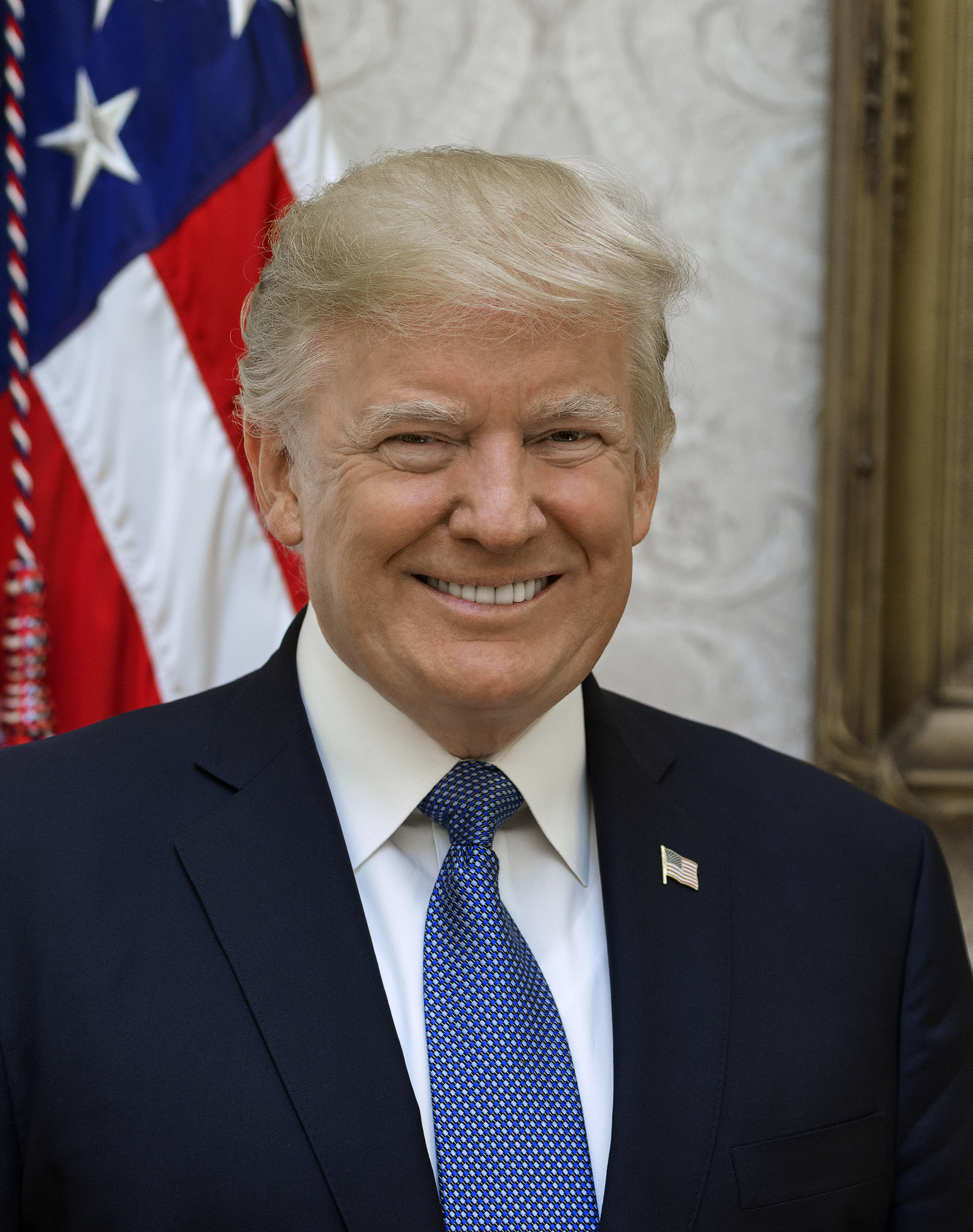
Today, the American World Cup has gained a question that goes beyond one presidential seat in a VIP stand: why has Donald Trump still not attended a match at the tournament the United States is co-hosting? BBC Sport put the issue back into focus on Friday, noting that many expected the president to be a regular presence, especially after the United States qualified for the knockout phase. The answer is not only a matter of diary management. It says something about how this World Cup is balancing global spectacle, sports diplomacy, politically distinct host cities and the management of presidential image.
The contrast is striking. In 1994, Bill Clinton opened the American World Cup in Chicago, giving the tournament an unmistakable institutional presence on its first night. Thirty-two years later, the world’s biggest football event is back on American soil, yet the current president has stayed away through the first half of the competition. BBC Sport notes that Trump had praised FIFA’s ticket sales and had taken a central role at the draw in Washington, where Gianni Infantino presented him with the governing body’s first peace prize. The closeness between the two men appeared to point towards high visibility. So far, it has produced anticipation instead.
An absence that has become part of the tournament
At a World Cup, the absence of a host head of state is never entirely neutral. Football likes to describe itself as a people’s festival, but the tournament is also a stage for power. Ceremonies, official stands, handshakes and trophy presentations all become part of the political memory of an edition. When an American president does not appear while his country is staging the event, the question quickly moves from personal scheduling to the message being sent to an international audience.
BBC Sport points out that leaders of host nations usually attend their team’s opening match. Qatar’s emir was present when his country began its tournament, while Vladimir Putin watched Russia’s opening game in Moscow. The comparison does not mean every political context is the same, but it explains why Trump’s non-appearance is so visible. The American World Cup is not being played only inside stadiums. It is also being judged by the host country’s ability to look available, welcoming and fully engaged in the celebration it is organising.
The issue is even more noticeable because the United States have not disappeared from the tournament. The national team won two of their three group matches and continue to draw domestic attention. In a country where football is trying to turn this event into a lasting cultural accelerator, the image of an absent president while the home team gathers momentum adds another layer of meaning. The point is not whether a leader must personally love football. It is how the host state accompanies the event in front of the rest of the world.
The image calculation behind empty presidential seats
BBC Sport sets out several possible explanations around political and media calculation. Federico de Jesus, a communications strategist who worked in Barack Obama’s orbit, argues that the absence is not necessarily out of character for Trump. In his view, the president tends to prioritise the biggest moments, the ones with the strongest ratings and the clearest image payoff. Under that logic, the World Cup final in New Jersey would be far more attractive than a group game or a run of appearances across different host cities.
That reading fits a familiar strategy: choose the most spectacular stage rather than multiply smaller appearances. Trump has attended other major sporting events during his second term, but he appears to prefer those that immediately generate a large image. Global football offers an unrivalled platform, yet not every World Cup platform carries the same value in American political grammar. A match in a politically hostile city can bring more risk than reward.
BBC Sport also raises a sensitive point: the possibility of a cool or openly negative reception in certain stadiums. Los Angeles and Seattle, both involved in United States matches, are cities associated with electorates far from Trump’s base. After tensions surrounding parts of his foreign and immigration policy, an international crowd could have made the image difficult to control. In that context, staying away may be less a sign of indifference to the tournament than a way to avoid an unpredictable scene.
FIFA still has the final as the biggest stage
The relationship between Trump and Gianni Infantino remains central to the story. FIFA has invested heavily in the political staging of this North American World Cup, and the American president had already been linked to the tournament before it began. Infantino has said the intention is for Trump to attend the final and take part in the trophy ceremony. Trump has also confirmed that he has been asked to do so. In other words, the current absence does not close the door to a major presidential role. It delays it.
That delay changes the tournament’s drama. If Trump appears only at the end, his image will be tied to the most global, most televised and most controlled moment of the event. FIFA would get a powerful institutional scene; the White House would get the biggest possible backdrop. But American football can still ask whether a late appearance is enough to embody the daily hosting of the tournament. A World Cup is also built in host cities, among supporters, through less glamorous matches and through national stories that grow week by week.
The question, then, is not simply whether Trump will come. It is what his presence will mean if and when it happens. An appearance at the final would be a gesture of power and prestige. An earlier appearance would have looked more like a host’s gesture. The difference matters for a country trying to show that it is not merely receiving a global showcase, but understands the collective culture of a football tournament.
An American World Cup between welcome and polarisation
The debate also reveals the particular nature of this edition. The tournament is shared by the United States, Canada and Mexico, but the political spotlight falls heavily on the American part of it. Cities, distances, security questions, visas, supporter movement and the relationship between FIFA and the White House are all part of the setting. In that landscape, every official signal counts. An empty presidential seat becomes a clue that different audiences interpret through their own lens.
For foreign supporters, the issue may look secondary compared with the football. Yet the hospitality of a host country is not only about stadiums and transport. It is also about whether public representatives create the feeling of an open door. Clinton played that role in 1994 with a welcome addressed to Americans and to citizens of the world. Trump, for now, has left that function to other government figures and to FIFA.
That does not mean the tournament is suffering on the field. Stadiums are alive, major fixtures keep arriving, and national teams are writing their own stories. Symbolically, however, the American World Cup has not yet received its defining presidential image. If that image comes at the final, it will be powerful but late. If it does not come at all, the absence will become one of the durable details of this edition.
What to watch before the final
The next signal will be how the White House handles the United States’ knockout matches and the major fixtures still to be staged on American territory. An appearance before the final would immediately change the reading, turning the absence into a matter of timing. Waiting until the last night would instead confirm the idea of a stage chosen for maximum exposure.
For football, the issue is broader than Trump. The 2026 World Cup is testing whether the United States can host an event that cannot be fully absorbed into show-business logic. Global football has its own codes: proximity to supporters, continuity of rituals, attention to visiting nations, respect for host cities and the rhythm of the sport. A World Cup is not only the trophy ceremony at the end. It is lived every day.
That is why the question raised today by BBC Sport lands with force. The president’s absence does not stop the tournament, but it highlights the tension between a presidency highly attentive to image and an event that also asks for ordinary presence. If Trump chooses the final, he will get the biggest stage. The remaining question is whether the American World Cup will have found its host’s face before then.